Solid-state batteries are poised to transform the electric vehicle market by 2030. China’s new five-year plan aims to make this advanced technology accessible to the masses.
What are solid-state batteries?
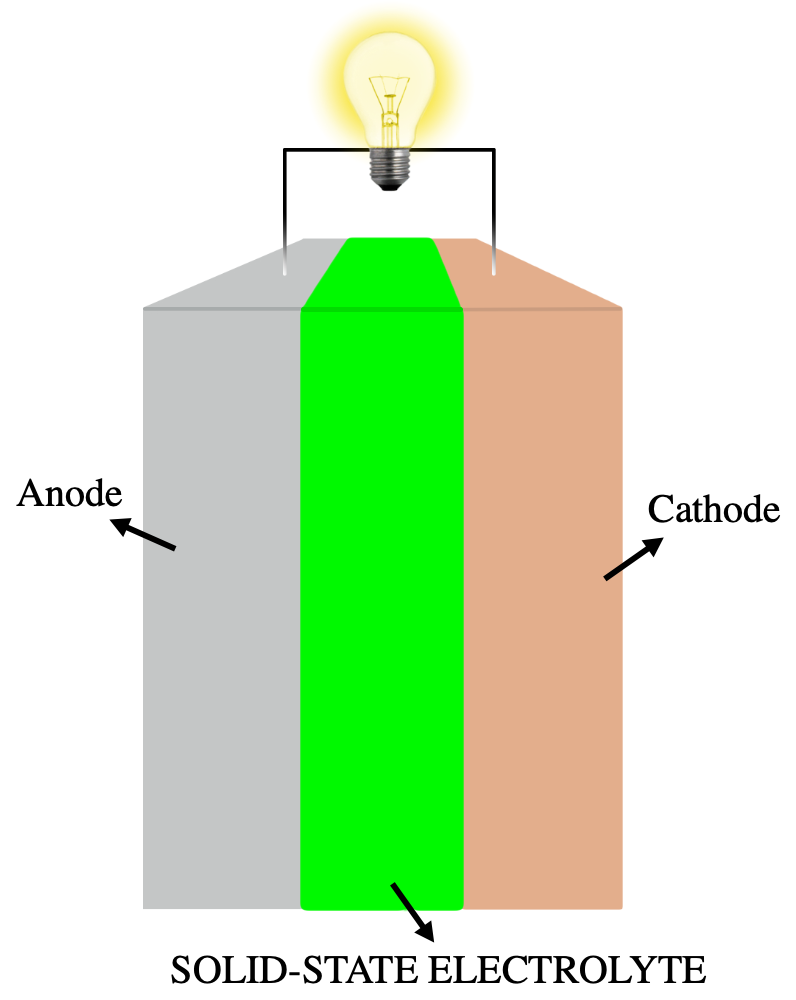
Solid-state batteries represent a significant advancement in energy storage technology, particularly for electric vehicles (EVs). Unlike traditional lithium-ion batteries that use liquid electrolytes, solid-state batteries utilize a solid electrolyte, which enhances safety and performance. This fundamental shift offers several advantages, including:
- Increased energy density: Solid-state batteries can store more energy in a smaller space, translating to longer driving ranges for EVs.
- Improved safety: The absence of flammable liquid electrolytes reduces the risk of fires and chemical leaks.
- Longer lifespan: Solid-state technology is less prone to degradation, which can extend the overall life of the battery.
As China aims to make solid-state batteries widely available by 2030, the race for this innovative technology intensifies, promising a new era for EVs and the broader transportation industry.
China’s five-year plan for battery technology
In its latest five-year plan, China has outlined ambitious goals to advance battery technology, particularly in the realm of solid-state batteries. The government aims to enhance the production and adoption of these next-generation batteries, which are recognized for their potential to revolutionize electric vehicles (EVs).
Key objectives of the plan include:
- Investing in research and development to improve battery efficiency and safety.
- Establishing partnerships with both domestic and international firms to accelerate innovation.
- Increasing manufacturing capacity to meet growing demand for EVs powered by solid-state batteries.
- Promoting public-private collaborations to enhance the overall ecosystem for battery production.
The Chinese government believes that by 2030, solid-state batteries could be widely available, making electric vehicles more accessible and sustainable for the masses.
Benefits of solid-state batteries for EVs
Solid-state batteries are emerging as a game-changing technology for electric vehicles (EVs), offering numerous benefits that enhance performance and reliability. Compared to traditional lithium-ion batteries, these advanced batteries utilize a solid electrolyte, which significantly improves safety by reducing the risk of fires and leaks. Moreover, they provide higher energy density, allowing vehicles to travel greater distances on a single charge.
In addition to safety and efficiency, solid-state batteries also have a longer lifespan, which translates to lower replacement costs over time. Their ability to operate effectively across a wide range of temperatures further makes them suitable for various climates, expanding their usability worldwide.
As China aims to mass-produce solid-state batteries by 2030, the automotive industry is poised to embrace this innovative technology, paving the way for more sustainable and powerful electric vehicles in the near future.
Challenges in solid-state battery production
Despite the promising advantages of solid-state batteries, several challenges hinder their widespread production. One major issue is the high manufacturing cost associated with these advanced batteries. The materials used, such as solid electrolytes, are still expensive to produce at scale, impacting the overall affordability of electric vehicles (EVs).
Additionally, the production process for solid-state batteries is complex and requires precision engineering. This complexity can lead to increased production times and potential quality control issues. Furthermore, the technology is still relatively new, which means that manufacturers are in a race to develop efficient and reliable production methods.
Another significant challenge is the need for specialized equipment to handle the solid materials involved, which may not be readily available in all battery production facilities. To overcome these hurdles, investments in research and development are essential, as well as collaboration between industry leaders and governments to advance solid-state battery technology.
- High manufacturing costs
- Complex production processes
- Need for specialized equipment
Future of electric vehicles with solid-state batteries
The future of electric vehicles (EVs) looks increasingly bright with the anticipated rise of solid-state batteries. These innovative batteries promise a significant leap forward in energy density, safety, and charging speed, making them the best proven technology for EVs. As automakers and technology companies invest heavily in research and development, the push towards widespread adoption is gaining momentum.
China’s five-year plan aims to bring solid-state batteries to the masses by 2030, indicating a strong commitment to revolutionizing the automotive industry. This strategic focus not only positions China as a leader in battery technology but also sets a global precedent for other nations.
With ongoing advancements and collaborative efforts among industry stakeholders, the prospect of solid-state batteries transforming the EV landscape is becoming more tangible. As these technologies mature, consumers can expect enhanced performance and reliability in their electric vehicles.
Comparing solid-state and traditional batteries
When comparing solid-state batteries to traditional lithium-ion batteries, several key differences emerge that highlight the advantages of solid-state technology. Traditional batteries rely on liquid electrolytes, which can lead to issues such as leakage and lower energy density. In contrast, solid-state batteries use solid electrolytes, enhancing safety and efficiency while potentially offering higher energy capacities.
Another significant factor is longevity. Solid-state batteries are generally expected to have a longer lifespan due to reduced degradation over time. This translates into fewer replacements and lower long-term costs for consumers. Moreover, the charging speed of solid-state batteries can surpass that of traditional options, allowing for quicker turnaround times for electric vehicles.
However, while solid-state batteries boast these advancements, traditional batteries remain more widely available and cost-effective in the short term. As technology progresses, the hope is that solid-state options will become more accessible to the mainstream market.
via Wikimedia Commons
Where this came from
ArenaEV · Solid-state batteries
Related reading
Renault Triber Turbo Power: Is It the Best 7-Seater Option? · TECNO POVA 8 5G: Is This the Best New Smartphone Variant? · Mumbai luxury home prices: Are they worth the investment?