
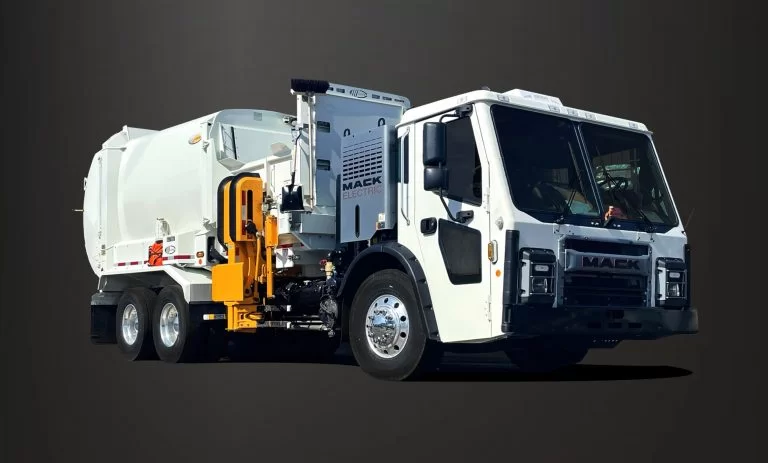
Reliable refuse trucks are essential for waste collection businesses. A vehicle that becomes unavailable can delay scheduled pickups, require other trucks to cover the route, and increase operating expenses. For this reason, maintenance should be part of fleet planning from the moment a truck is purchased.
McNeilus front loaders are designed for demanding commercial and residential collection applications. Their repeated lifting and packing cycles place demands on hydraulic systems, mechanical components, and the truck chassis. Regular inspections, preventive servicing, operator training, and access to appropriate parts can help fleet managers maintain equipment and plan for long-term reliability.
Follow the Manufacturer’s Maintenance Schedule
Every refuse truck should be maintained according to the manufacturer’s instructions for its specific model and configuration. Service requirements can differ depending on the chassis, body, installed options, workload, and operating environment.
Fleet managers should keep the maintenance schedule accessible and make sure required inspections and services are completed at the appropriate intervals. A documented schedule reduces the risk of overlooking routine tasks and helps managers plan maintenance around collection routes.
The schedule should address the truck’s chassis and powertrain as well as the refuse body, hydraulic equipment, lifting mechanism, packing system, and electrical controls. Managers should confirm the exact requirements with the applicable documentation and qualified service personnel.
Complete Daily Vehicle Inspections
Daily inspections can help drivers identify visible problems before starting a collection route. The procedure should follow the manufacturer’s instructions and the company’s safety policy.
Checks may include tires, lights, mirrors, brakes, visible leaks, warning indicators, and general vehicle condition. Drivers should also examine the lifting and packing equipment for visible damage or unusual conditions as directed by the operating manual.
A clear reporting process is essential. If an inspection identifies a defect, the driver should report it promptly so a qualified person can assess whether the truck is safe to operate. A vehicle with a defect affecting safe operation should not continue working until the issue has been addressed appropriately.
Inspect Hydraulic Systems and Lifting Equipment
Front loaders rely on hydraulic systems to operate their lifting mechanisms and packing equipment. Leaks, damaged hoses, unusual movement, or inconsistent operation may indicate that maintenance is required.
Operators should report visible leaks or changes in equipment performance rather than attempting unauthorized repairs. Hydraulic systems can retain pressure, making improper maintenance dangerous. Repairs should be carried out by trained personnel using the correct procedures.
The lifting arm and related components should be inspected according to manufacturer guidance. Operators must use the equipment within its rated limits and avoid lifting damaged, overloaded, or incompatible containers.
Fleet managers should keep records of hydraulic service and recurring problems. These records can help technicians identify whether an issue is isolated or requires more detailed investigation.
Maintain the Packing System
The packing system repeatedly moves and compacts refuse, so its condition can affect the truck’s performance and availability. McNeilus front loaders come standard with Excalibre packing cylinders that incorporate a tool-steel shaver and nitrided rods designed to resist wear and corrosion and help reduce hydraulic contamination.
These features are intended to support durability, but they do not remove the need for inspections and scheduled maintenance. Operators should follow approved loading procedures, and maintenance personnel should address signs of wear or abnormal operation.
The body, packing mechanism, and associated components should be maintained according to the manufacturer’s instructions. Any cleaning or servicing must follow the required safety procedures, especially when working near moving parts or stored hydraulic energy.
Keep Controls and Diagnostic Systems Working Properly
Some McNeilus front loader configurations offer the McNeilus CODE controls system, which provides diagnostic and troubleshooting capabilities. The exact functions depend on the model and installed equipment.
Drivers should report warning messages, unexpected control behavior, and intermittent operating issues. Technicians can use available diagnostic information alongside physical inspections to investigate the cause.
Electronic systems should be serviced by appropriately trained personnel. Fleet managers should also ensure that operators understand the controls and know how to follow the manufacturer’s instructions when a fault occurs.
Maintain Accurate Service Records
Maintenance records help fleet managers understand the condition of each truck. Useful information includes inspection results, service dates, replaced parts, repair descriptions, and recurring defects.
Reviewing these records can reveal patterns that might otherwise be overlooked. For example, repeated hydraulic repairs may indicate an underlying issue, demanding operating conditions, or a need to review maintenance practices.
Records also support budget planning. Managers can estimate upcoming service expenses and compare continued repair costs with the cost of replacing an older vehicle. Decisions should consider both financial factors and the truck’s operational suitability.
Arrange Parts and Service Support
Even a well-maintained truck may require replacement components. Having a reliable process for identifying parts and arranging service can help prevent unnecessary delays.
Atlantic Heavy Duty provides information about McNeilus front loaders and parts support for refuse vehicles, including genuine OEM parts and assistance from parts specialists. Fleet managers should confirm availability, service arrangements, and support for their specific model and location.
When requesting parts or service, provide accurate vehicle identification details, model information, a description of the problem, and relevant maintenance history. Clear information can help technicians and parts specialists assess the request more effectively.
Train Drivers to Protect Reliability
Correct operation contributes to equipment longevity. Drivers should understand the truck’s controls, lifting limits, loading procedures, and warning indicators. They should also know how to report defects and when to stop operating equipment that may be unsafe.
Training should be specific to the model and installed options. Refresher instruction can be useful when a fleet introduces new vehicles, changes collection procedures, or identifies repeated operating issues.
Managers should encourage drivers to report concerns early rather than continuing to use equipment that behaves abnormally. Prompt reporting can help maintenance teams investigate problems before additional damage occurs.
Plan Maintenance Around Collection Schedules
Maintenance is easier to manage when it is planned instead of left until a breakdown occurs. Fleet managers should coordinate scheduled servicing with route requirements and arrange alternative vehicles when necessary.
Preventive maintenance cannot eliminate every failure, but it can help reduce avoidable disruptions and improve visibility into upcoming service needs. Backup planning remains important for fleets with strict customer schedules.
Conclusion
Maintaining McNeilus front loaders requires a consistent approach to inspections, hydraulic and packing-system care, diagnostic troubleshooting, and service records. Operators must follow approved procedures, while qualified technicians should complete maintenance according to manufacturer recommendations.
Atlantic Heavy Duty can be a resource for information about McNeilus equipment and parts support. By planning maintenance, training drivers, and addressing defects promptly, fleet managers can work toward more reliable vehicles and more predictable collection operations.
