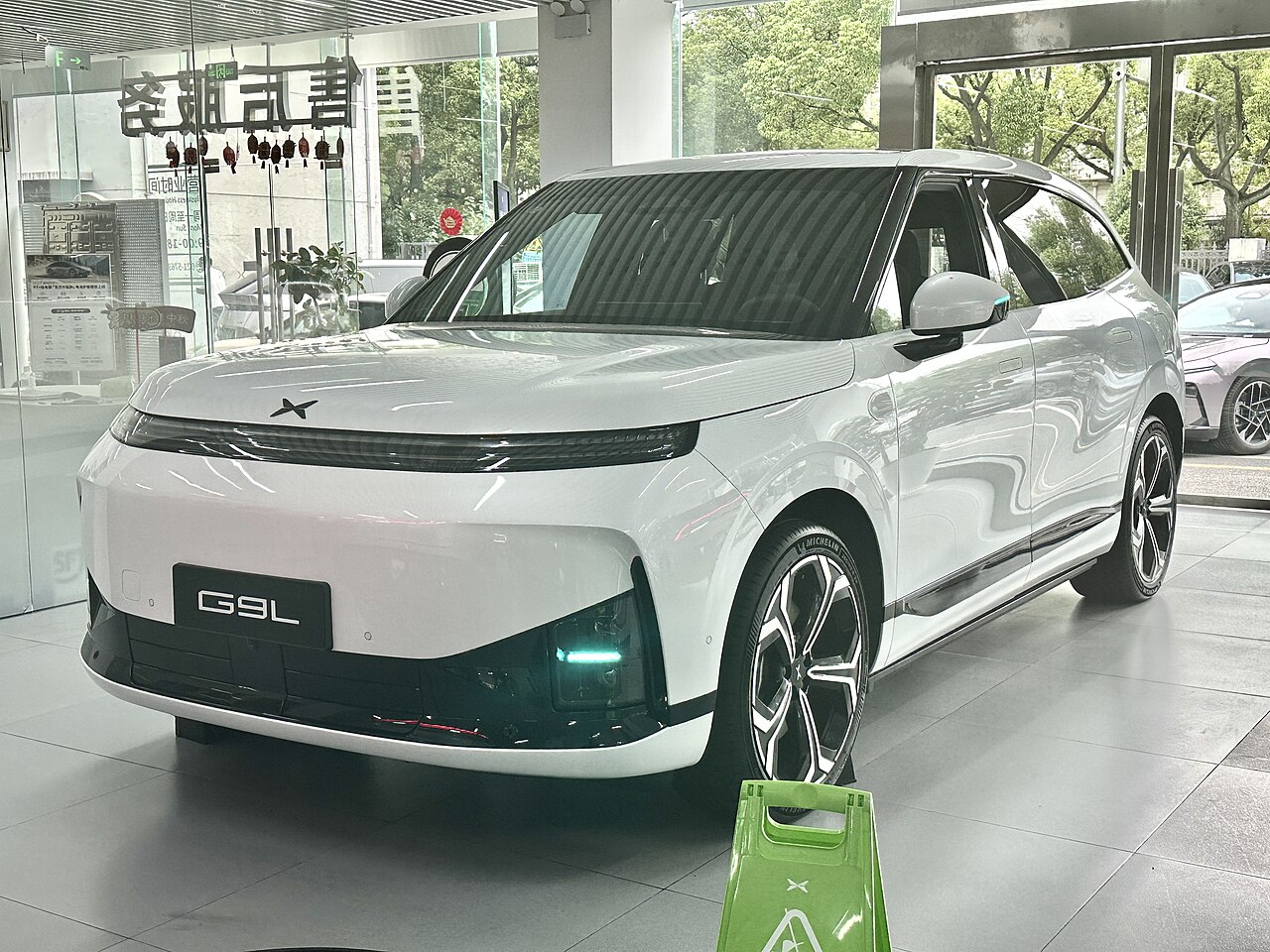
EV motor analysis shows significant national differences in performance and efficiency. This study of 115 motors highlights how various countries approach electric vehicle technology.
Understanding EV Motor Technology
Electric vehicles (EVs) have transformed the automotive landscape, and at the heart of this revolution lies the EV motor technology. Understanding the intricacies of these motors is essential for grasping the key national differences in the EV market. An extensive analysis of 115 EV motors has shed light on various factors contributing to these differences.
EV motors can be categorized into several types, each with unique characteristics. The most prevalent types include:
- Permanent Magnet Synchronous Motors (PMSM): Known for their high efficiency and compact size, these motors are widely used in premium EVs.
- Induction Motors: Although less efficient than PMSMs, these motors are robust and cost-effective, making them popular in mass-market EVs.
- Switched Reluctance Motors: Gaining traction due to their simplicity and durability, these motors offer a potential for lower manufacturing costs.
Regional preferences for specific motor technologies can be attributed to factors such as government regulations, market demands, and the availability of raw materials. For instance, European manufacturers often favor high-performance PMSMs, while Asian markets show a preference for cost-effective induction motors.
As the EV market continues to evolve, understanding these national differences in EV motor technology will be crucial for manufacturers and consumers alike, shaping the future of electric mobility.
The Impact of National Standards
The impact of national standards on EV motor technology is significant and varies across different regions. These standards influence various aspects of motor design, efficiency, and performance, ultimately shaping the electric vehicle (EV) landscape in each country.
In many countries, regulatory bodies establish strict guidelines that determine the specifications for EV motors. These guidelines aim to enhance safety, efficiency, and environmental sustainability. As a result, manufacturers must adapt their designs to comply with local regulations, which can lead to notable differences in motor performance.
Key factors influenced by national standards include:
- Efficiency Ratings: Different countries prioritize varying efficiency metrics, impacting how manufacturers design their motors.
- Power Output: National regulations can dictate minimum and maximum power levels, affecting the overall performance of EVs.
- Material Standards: The choice of materials used in motor construction may differ based on local environmental regulations, influencing weight and durability.
- Testing Procedures: Each country has its own testing protocols, which can lead to discrepancies in performance assessments.
As the EV market continues to evolve, understanding these national differences in standards is crucial for manufacturers and consumers alike. This analysis of EV motors reveals that navigating these variations is essential for optimizing motor performance and ensuring compliance with local regulations, emphasizing the importance of thorough EV motor analysis.
Comparative Performance of EV Motors
The comparative performance of EV motors varies significantly across different countries, highlighting the impact of regional engineering practices and manufacturing standards. An extensive EV motor analysis examining 115 motors from various nations reveals distinct characteristics shaped by local technological advancements and regulatory frameworks.
Some key differences observed in the analysis include:
- Efficiency Ratings: Motors from countries with stringent energy regulations tend to have higher efficiency ratings, maximizing the range of electric vehicles.
- Cooling Systems: Innovative cooling technologies are more prevalent in motors designed in regions with extreme climates, enhancing performance longevity.
- Material Usage: Variations in materials, such as the use of rare earth metals, impact both production costs and sustainability efforts.
- Manufacturing Techniques: Advanced manufacturing processes, like additive printing, are more widely adopted in countries leading the way in EV technology, contributing to lighter and more efficient designs.
The analysis highlights that while some nations excel in specific performance metrics, others may prioritize different aspects of motor design, reflecting diverse approaches to solving the challenges of electric mobility. Understanding these national differences is crucial for manufacturers and policymakers aiming to enhance EV technology on a global scale.
Design Innovations in Electric Vehicles
The electric vehicle (EV) market is witnessing a surge in design innovations that reflect national preferences and technological advancements. As the demand for sustainable transportation grows, manufacturers are focusing on enhancing the efficiency and performance of EV motors through various design strategies.
One of the significant trends identified in the EV motor analysis is the adoption of lightweight materials. Manufacturers in Germany and Japan are leading in the use of advanced composites, which not only reduce the overall weight of the vehicle but also improve energy efficiency. This focus on weight reduction is crucial for extending the range of electric vehicles, a key consideration for consumers.
Furthermore, the integration of smart technologies is becoming more prevalent. In countries like South Korea and China, manufacturers are incorporating artificial intelligence into the EV motor design. This allows for real-time monitoring and optimization of motor performance, leading to enhanced efficiency and longevity.
Another noteworthy innovation is the shift towards modular motor designs. This approach, favored by manufacturers in the United States, allows for easier customization and scalability, catering to the diverse needs of consumers and varying market demands.
- Lightweight materials for improved efficiency
- Integration of smart technologies for performance optimization
- Modular designs for customization and scalability
These design innovations highlight how national differences shape the future landscape of electric vehicle technology.
Key Findings from the Analysis
The recent EV motor analysis conducted on 115 electric vehicle motors has uncovered several key differences among various countries. These findings highlight how national standards, market demands, and technological advancements influence motor design and performance.
One of the prominent findings is the variation in efficiency ratings across different regions. Motors from countries with strict energy regulations tend to demonstrate higher efficiency levels, reflecting the emphasis on sustainability and reducing carbon footprints. In contrast, regions with less stringent standards often see motors that prioritize cost efficiency over energy performance.
Another significant aspect is the innovation in motor technology. Countries that invest heavily in research and development, such as Germany and Japan, showcase advanced designs that incorporate lightweight materials and improved cooling systems. These innovations contribute to enhanced performance and longevity of the motors.
Additionally, the analysis revealed differences in manufacturing processes, with some countries adopting automation and advanced robotics, while others rely on traditional methods. This impacts not only the quality of the motors but also the overall production costs and scalability.
In summary, the EV motor analysis indicates that national differences play a crucial role in shaping the electric vehicle market. Understanding these variations can help manufacturers and policymakers optimize their strategies for future developments in electric mobility.
Future Trends in EV Motors
As the electric vehicle (EV) market continues to evolve, future trends in EV motors are becoming increasingly important to understand. With advancements in technology and growing consumer demand, manufacturers are focusing on enhancing efficiency and performance while reducing costs.
One notable trend is the shift towards more sustainable materials in the production of EV motors. Companies are exploring the use of lightweight and recyclable materials to not only improve the efficiency of EV motors but also minimize their environmental impact. This emphasis on sustainability is expected to shape future designs and manufacturing processes significantly.
In addition, the integration of smart technology into EV motors is on the rise. Features such as real-time monitoring and predictive maintenance are being developed to improve performance and longevity. These innovations will allow manufacturers to provide better service to consumers and optimize the operation of EVs.
The EV motor analysis also indicates a growing trend towards modular designs, enabling manufacturers to customize motors more easily for different vehicle models. This flexibility is crucial as the market diversifies and consumer preferences shift.
Furthermore, as battery technology continues to advance, we may see a deeper integration between battery systems and EV motors, enhancing overall vehicle performance. These trends suggest that the future of EV motors will be characterized by innovation, sustainability, and adaptability.
Implications for Global EV Market
The findings from the EV motor analysis indicate significant implications for the global EV market as manufacturers adapt to the diverse technological landscapes across different nations. These variations can influence everything from supply chain logistics to market entry strategies.
One of the primary implications is the need for automakers to tailor their EV motor designs to meet specific regional requirements. As countries implement unique regulations and standards, manufacturers must invest in research and development to create motors that comply with these varying demands. This not only affects production costs but also impacts the overall pricing of electric vehicles in different markets.
Furthermore, the analysis highlights disparities in consumer preferences, which can drive manufacturers to emphasize certain features over others. For instance, markets that prioritize efficiency may see a rise in demand for motors that optimize energy use, while regions with a focus on performance may lean towards high-output motors.
Another important consideration is the competitive landscape. Manufacturers who can effectively leverage insights from the EV motor analysis will have a distinct advantage, allowing them to innovate and differentiate their products. As global competition intensifies, understanding these national differences will be crucial for success.
In summary, the implications of differing EV motor technologies extend far beyond mere specifications, affecting strategic decisions that shape the future of the global EV market.
The findings from our EV motor analysis reveal significant variations in efficiency and performance across different countries. These discrepancies highlight the importance of localized approaches in conducting EV motor analysis for optimizing electric vehicle technologies.
Photo by Artem Podrez on Pexels
Read the original
Related reading
Denza luxury brand: Best Proven Strategy Against Mercedes · Denza Luxury Brand: The Best Entry into India’s Market · 2027 Mahindra Thar Roxx: The Best New SUVs Launching Soon