
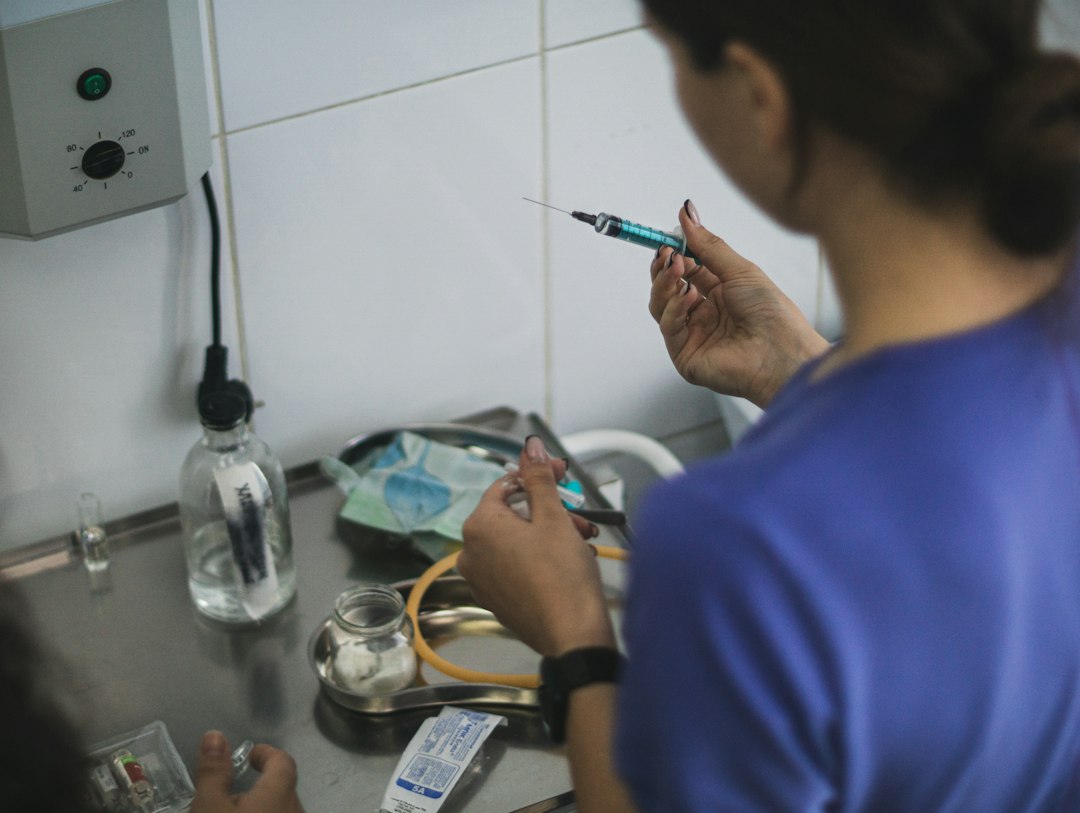
Stepping into a foreign clinic for the first time can feel overwhelming, exciting, and strange all at once. For students pursuing dental internships abroad, those first few days set the tone for months of hands-on learning, language growth, and professional discovery. So what does daily life actually look like once the orientation ends and the real work begins?
What does a typical day look like for a dental intern abroad?
Mornings usually start early, often with a Spanish class designed to sharpen the medical vocabulary interns will need once they step into the clinic. From there, interns head to their assigned placement, whether that’s a private practice, a public health center, or a community clinic. Shifts commonly run six to eight hours and may fall on weekdays, evenings, or weekends, depending on the clinic’s patient flow. No two days are identical, which is part of what makes the experience valuable: one morning might involve sterilizing instruments and prepping treatment rooms, while the next could include assisting directly with a root canal or an extraction.
What responsibilities do interns take on in the clinic?
Responsibilities shift gradually as interns build trust with their supervising dentist. Early on, tasks tend to focus on logistics: organizing instruments, maintaining sanitation standards, and handling administrative paperwork. As comfort and language skills grow, interns are often invited to assist with patient consultations, prepare materials for procedures, and observe or help with treatments ranging from cleanings to more specialized orthodontic work. The exact scope depends on an intern’s prior training, but the goal across every placement is the same: real exposure to how dental care functions outside a classroom.
Why does language growth matter so much in a clinical setting?
Dentistry runs on precise communication. A misheard word during a patient intake or a misunderstood instruction during a procedure can have real consequences, which is why intermediate Spanish is a baseline requirement for this kind of placement. Interns aren’t just picking up casual conversation skills; they’re learning medical terminology specific to oral health, from anatomical terms to the phrases patients use to describe pain or discomfort. Daily immersion, paired with structured Spanish instruction, accelerates this kind of technical fluency far faster than a traditional classroom ever could. By the end of the internship, most participants find they can navigate patient interactions with a level of confidence that simply wasn’t there on day one.
How does this experience support professional development?
Working inside a clinic with limited resources teaches lessons that don’t always surface in well-funded dental schools back home. Interns learn to think creatively, adapt protocols to the tools available, and understand how healthcare systems function in communities with different economic realities. These are the kinds of problem-solving instincts that stick with future professionals long after the internship ends. Many programs also require a final project, giving interns a chance to reflect on what they’ve learned and demonstrate how their clinical and language skills have evolved over the course of the placement.
What should someone expect from the overall learning curve?
The first week often feels like the steepest climb. New surroundings, a new clinical culture, and a new language all at once can be a lot to absorb. But most interns describe a noticeable shift by the second or third week, when routines start to feel familiar and communication becomes less of a hurdle. By the time the internship wraps up, interns typically leave with a stronger grasp of dental procedures, a sharper command of medical Spanish, and a more global perspective on what oral healthcare looks like beyond their home country.
Is prior dental experience necessary before starting?
Some clinical background helps, but the internship structure is designed to meet interns where they are. Those with more training may work more directly with patients, while others might spend more time shadowing and assisting. Either path offers meaningful exposure to the daily rhythm of a working dental practice.
What’s the best way to prepare before arriving?
Brushing up on conversational and medical Spanish ahead of time makes the transition smoother. Reviewing basic dental terminology and staying open to flexible schedules also helps interns settle into clinic life faster, allowing them to focus their energy on learning rather than adjusting.
Each day in the clinic adds another layer of skill, confidence, and cultural insight, turning an internship abroad into far more than a line on a resume. It becomes a foundation for how future dental professionals understand patient care, adaptability, and the value of speaking more than one language in a healthcare setting.
At a Glance
- Mornings for dental interns abroad typically begin with a Spanish class aimed at improving medical vocabulary.
- Interns can expect shifts of six to eight hours at various types of placements, such as private practices or community clinics.
- As interns gain trust and improve their language skills, their responsibilities gradually expand from logistical tasks to direct patient assistance.
- Intermediate Spanish is a baseline requirement for dental internships abroad due to the critical importance of precise communication in clinical settings.
- Internships provide exposure to diverse healthcare systems and encourage creative problem-solving skills not always developed in traditional dental education.
- Prior dental experience is not strictly necessary, as the internship structure adapts to the intern’s existing skill level.
