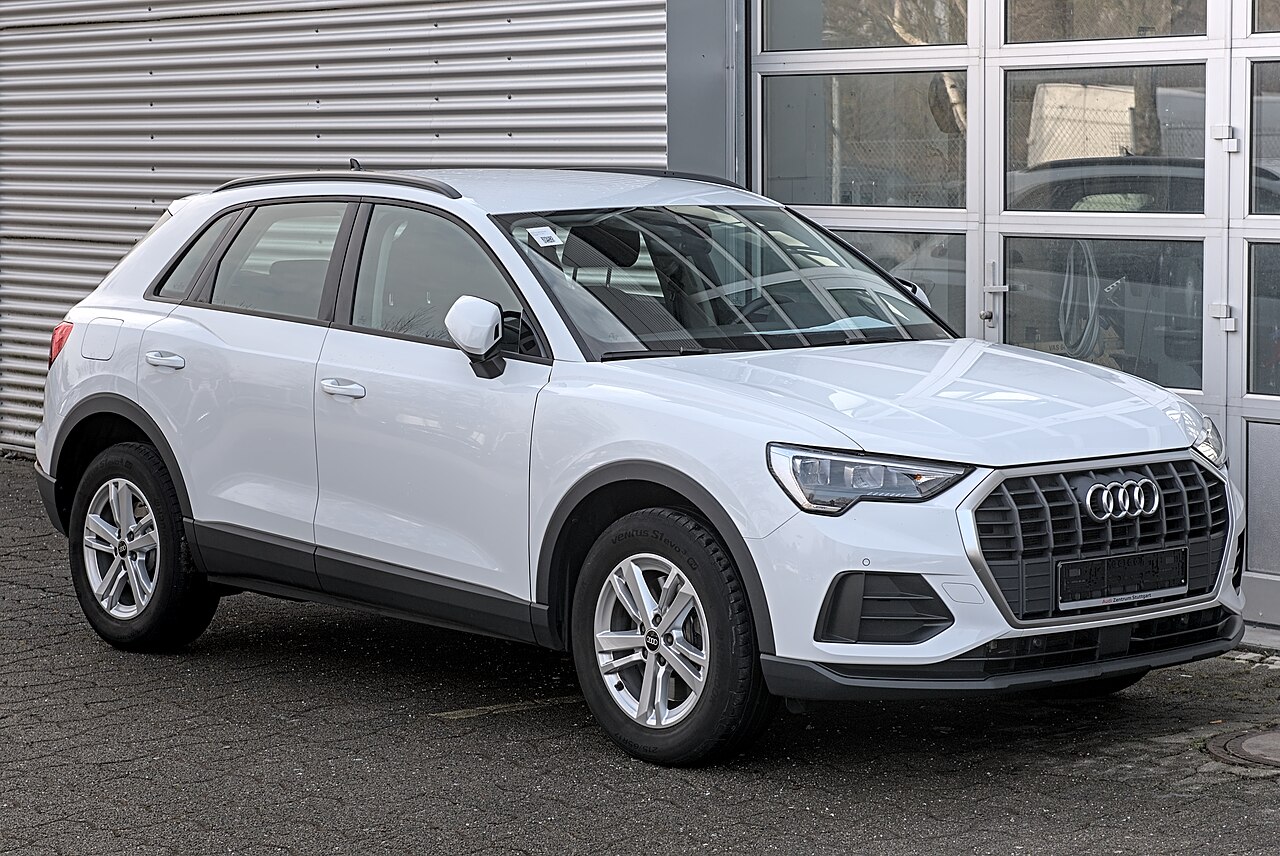
Maruti Suzuki price hike has been announced, marking the second increase in just three months. This change affects several models and raises concerns among car buyers.
Overview of the Price Hike
Maruti Suzuki, one of India’s leading automobile manufacturers, has recently announced a price hike affecting several of its popular car models. This marks the second price increase in just three months, raising concerns among car buyers who are already facing rising inflation and increasing costs of living. Starting today, select models will see their prices increase, making it an unfortunate update for potential buyers looking to invest in a new vehicle.
The price hike has been attributed to various factors, including the increasing costs of raw materials and compliance with new regulatory standards. Maruti Suzuki joins other manufacturers who have also adjusted their pricing strategies in response to the current economic environment.
Here are some key points regarding the price hike:
- Frequency: This is the second price increase in a short span, indicating a trend that could impact consumer purchasing decisions.
- Model Range: A variety of models are affected, including popular choices that have seen consistent demand in the market.
- Consumer Impact: The hike is expected to deter potential buyers and may lead them to reconsider their purchasing options.
- Market Reaction: Analysts predict that Maruti Suzuki price hikes could lead to a slowdown in sales, particularly among budget-conscious consumers.
The ongoing changes in pricing strategy highlight the challenges that both manufacturers and consumers face in the current economic landscape.
Impacted Models from Maruti Suzuki
The recent announcement from Maruti Suzuki regarding a price hike has left many car buyers concerned, especially those eyeing popular models. The second price hike in just three months means that several models will now come with a higher price tag, impacting the purchasing decisions of potential buyers. Below are some of the key models affected by this price adjustment:
- Maruti Suzuki Alto: This entry-level hatchback has been a favorite among budget-conscious buyers, but its new pricing may deter some customers.
- Maruti Suzuki Swift: Known for its sporty design and fuel efficiency, the Swift will now see an increase that could push it out of reach for some.
- Maruti Suzuki Baleno: As a popular premium hatchback, any rise in its price could significantly affect its sales.
- Maruti Suzuki Vitara Brezza: The compact SUV has garnered attention for its features, but the price hike may alter its competitive edge.
- Maruti Suzuki Ertiga: This family MPV has been preferred for its spacious interior, and the new prices could prompt buyers to explore alternatives.
With the Maruti Suzuki price hike in effect, customers are now faced with the tough decision of whether to proceed with their purchases or hold off for potentially better pricing in the future.
Reasons Behind the Price Increase
The recent Maruti Suzuki price hike has left many car buyers disheartened, and several factors contribute to this decision by the automaker. Understanding these reasons can provide clarity to consumers navigating this challenging situation.
One of the primary reasons behind the increase is the rising cost of raw materials. Global supply chain disruptions have led to significant price surges in essential components, impacting manufacturers across various industries. Maruti Suzuki, being one of the largest car manufacturers in India, is not immune to these challenges.
Additionally, the company has been investing heavily in research and development to enhance vehicle safety and incorporate advanced technology features. These improvements, while beneficial for consumers, also lead to increased production costs, which are often passed on to buyers.
Another consideration is the implementation of stricter emission norms mandated by the government. To adhere to these regulations, Maruti Suzuki has had to upgrade its engine technology, which also contributes to the overall cost of the vehicles.
Finally, the ongoing demand for personal vehicles, especially in the wake of the pandemic, has allowed manufacturers to adjust prices. The combination of these factors has culminated in the recent Maruti Suzuki price hike, making it a challenging time for potential car buyers looking for affordability in the market.
Consumer Reactions to the Hike
Consumers have expressed their discontent following the recent Maruti Suzuki price hike, which marks the second increase in just three months. Many potential car buyers are voicing their frustrations as they navigate the increasing costs associated with owning a vehicle.
A survey conducted among prospective buyers reveals that a significant number feel the price hike is unwarranted, especially in light of the current economic climate. One respondent noted, “With rising inflation, every penny counts. This hike seems unjustifiable, especially when we are already dealing with higher costs for fuel and maintenance.”
Additionally, current Maruti Suzuki owners are also expressing concern, as they fear that these price increases might lead to decreased resale values for their vehicles. “I bought my Maruti with the expectation that it would hold its value, but with these hikes, I’m not sure anymore,” said another owner.
Social media platforms have been flooded with comments from frustrated consumers, with many calling for transparency from the automaker regarding the necessity of this Maruti Suzuki price hike. “We deserve to know why the prices are going up so frequently,” said a Twitter user, echoing the sentiments of many.
As the backlash continues, it remains to be seen how Maruti Suzuki will respond to the growing dissatisfaction among its customer base.
Future Predictions for Car Prices
As the automobile market continues to evolve, predictions surrounding future car prices, particularly for Maruti Suzuki, have become a point of contention among industry experts and consumers alike. The recent Maruti Suzuki price hike has raised concerns regarding the long-term affordability of vehicles in the Indian market.
Analysts suggest that multiple factors will shape the trajectory of car prices in the coming months:
- Supply Chain Issues: Ongoing disruptions in global supply chains, exacerbated by geopolitical tensions and pandemic-related delays, could lead to further increases in production costs.
- Raw Material Costs: Fluctuations in the prices of raw materials, especially metals used in manufacturing, are likely to impact overall vehicle pricing.
- Government Regulations: New emissions and safety regulations may necessitate upgrades to existing models, which could further drive up prices.
- Market Demand: If consumer demand remains strong despite the recent price hikes, manufacturers might be encouraged to raise prices further to maximize profits.
- Technological Advancements: The push towards electric vehicles and advanced technology integration may also contribute to higher costs that are ultimately passed on to consumers.
With these factors in play, potential car buyers may need to brace themselves for continued fluctuations in pricing, making the current landscape challenging for those looking to purchase a new vehicle.
The recent Maruti Suzuki price hike has left many car buyers feeling disheartened. With rising costs, the Maruti Suzuki price hike may significantly impact the purchasing decisions of potential customers.
Read the original
You might also like
Motorola Edge 70 Neo: Best Smart Launch with Proven Features · Grand Theft Auto VI sales: What Makes This Launch Worth Billions? · Bharat e-Charge Platform: Best Proven Expansion Plans Ahead