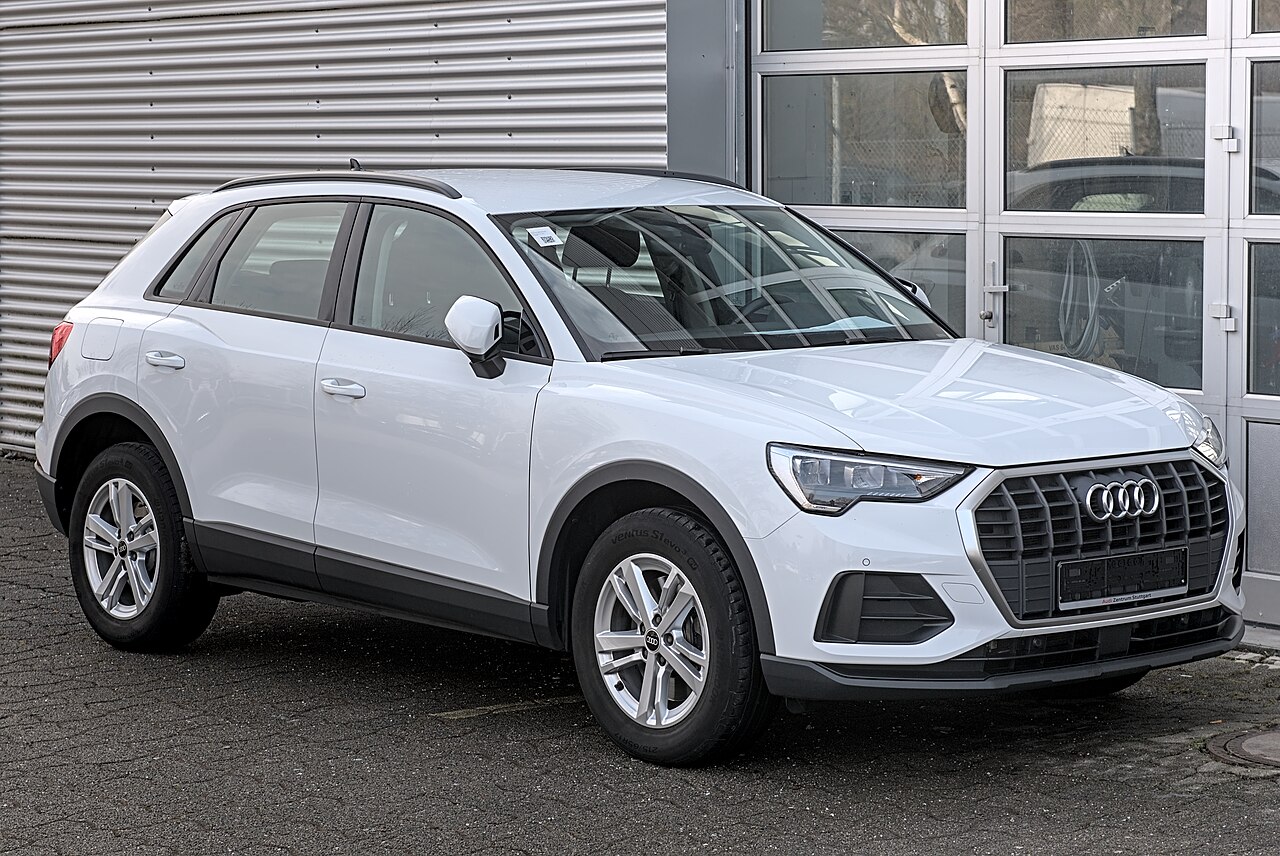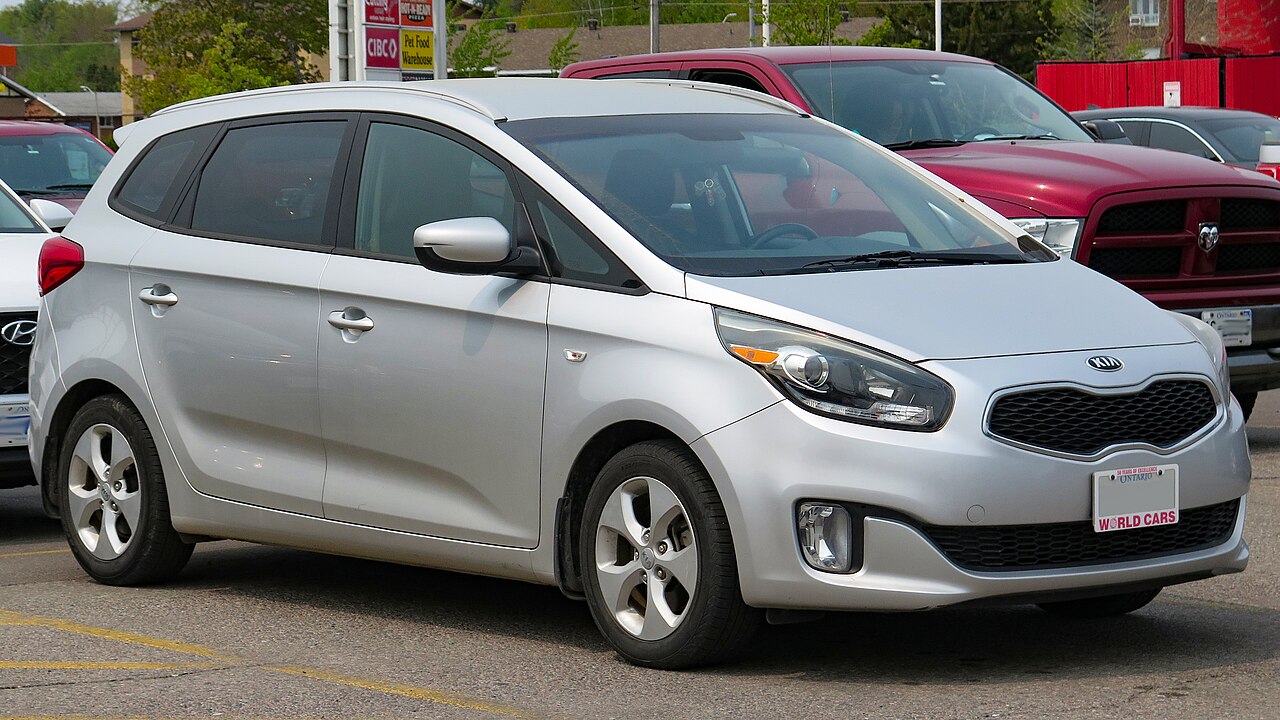
The affordable electric car market is set to expand, with Volvo planning to launch a new model in Europe by 2027. This move aims to make electric vehicles more accessible to consumers.
Volvo’s Plans for Affordable Electric Cars
Volvo has announced its ambitious plans to introduce an affordable electric car in Europe by 2027, aiming to make sustainable transportation accessible to a broader audience. The company recognizes the growing demand for electric vehicles (EVs) and is committed to providing options that do not compromise on quality or performance. This initiative is part of Volvo’s broader strategy to become a fully electric car manufacturer by 2030.
The forthcoming model is expected to be priced competitively, appealing to environmentally conscious consumers who may have found current electric car options out of reach. Key features are likely to include:
- Innovative battery technology: Enhancements aimed at increasing range and reducing charging times.
- Advanced safety features: Consistent with Volvo’s reputation for prioritizing passenger safety.
- Sleek design: A modern aesthetic that aligns with contemporary automotive trends.
As automakers race to capture a share of the growing EV market, Volvo’s commitment to affordable electric cars could set a new standard. Consumers are eager to see how the company will balance affordability with the high-quality experience for which it is known, making this development one to watch in the coming years.
Why Choose an Electric Vehicle?
As the automotive industry continues to evolve, many consumers are considering the switch to an electric vehicle (EV). There are several compelling reasons to choose an electric vehicle over traditional gasoline-powered cars.
- Environmental Benefits: Electric cars produce zero tailpipe emissions, helping to reduce air pollution and combat climate change. By choosing an affordable electric car, buyers contribute to a more sustainable future.
- Lower Operating Costs: EVs typically have lower maintenance costs compared to their gasoline counterparts. With fewer moving parts and no need for oil changes, drivers can save money in the long run.
- Incentives and Rebates: Many governments offer financial incentives for purchasing electric vehicles, making them more accessible. These savings can enhance the affordability of an electric car.
- Improved Technology: Advances in battery technology have led to longer ranges and faster charging times, making electric cars more practical for everyday use.
- Quiet and Smooth Driving Experience: Electric vehicles provide a quieter, more responsive driving experience, often resulting in increased comfort and enjoyment on the road.
With all these advantages, it’s clear why many are considering an affordable electric car as a viable option for their next vehicle purchase.
The Future of Affordable EVs
The future of affordable electric vehicles (EVs) looks promising as more manufacturers recognize the growing demand for budget-friendly options. With advancements in technology and increased competition in the automotive market, electric cars are becoming more accessible to a wider range of consumers.
Several factors contribute to the rise of affordable electric cars:
- Economies of scale: As production volumes increase, manufacturers can reduce costs, making it easier to offer EVs at lower price points.
- Government incentives: Many countries are providing subsidies and tax breaks to both manufacturers and buyers, making the transition to electric vehicles more attractive.
- Battery technology: Innovations in battery efficiency and production are driving down costs, which is a crucial element in reducing the overall price of electric cars.
- Consumer demand: As environmental concerns rise, more buyers are seeking affordable electric cars that can help reduce their carbon footprint.
As we look towards 2027 and beyond, the landscape for affordable EVs is set to change dramatically. With major players like Volvo entering the market, the availability of cost-effective electric vehicles will likely surge, making sustainable transportation a reality for many.
Consumer Reactions to Volvo’s Announcement
Following Volvo’s recent announcement about its plans to launch an affordable electric car in Europe by 2027, consumer reactions have been overwhelmingly positive. Many potential buyers are expressing excitement about the prospect of owning a budget-friendly electric vehicle, which has often been considered a luxury item.
Social media platforms have been buzzing with discussions about the brand’s commitment to sustainability and innovation. A significant number of users highlight the importance of making electric cars more accessible, stating:
- “Volvo is setting a great example by prioritizing affordability.”
- “Finally, an affordable electric car that doesn’t compromise on quality!”
- “This could change the game for many families looking to switch to electric.”
Industry analysts also weigh in, noting that Volvo’s move could stimulate competition among other automakers, potentially leading to more options in the affordable electric car market. As consumers become increasingly aware of environmental issues, the anticipation surrounding this announcement reflects a growing demand for affordable and sustainable transportation solutions.
With the launch still a few years away, the excitement certainly suggests that Volvo’s new model may be a significant player in the evolving landscape of electric vehicles.
Comparing Electric Car Prices in Europe
As the demand for eco-friendly transportation rises, comparing electric car prices in Europe has become increasingly relevant. Many consumers are searching for an affordable electric car that meets both their budget and their sustainability goals.
Recent reports indicate that electric vehicle prices across Europe vary significantly based on several factors, including brand, model, and government incentives. Below are some key points to consider:
- Base Prices: The average starting price for new electric cars in Europe is around €30,000, although many models can exceed this figure.
- Government Subsidies: Several European countries offer incentives that can reduce the effective cost of purchasing an electric vehicle, making them more attractive.
- Brand Variability: Different manufacturers are targeting various market segments, with brands like Volvo promising to introduce more budget-friendly options by 2027.
- Used Electric Cars: The second-hand market for electric vehicles is growing, providing additional affordable options for budget-conscious buyers.
Ultimately, understanding these price dynamics will help consumers make informed decisions as they look towards the future of sustainable transportation.
Impact of Affordable EVs on the Auto Market
The introduction of affordable electric cars is poised to significantly reshape the auto market, influencing both consumer choices and manufacturer strategies. As more companies, like Volvo, commit to producing vehicles that cater to budget-conscious buyers, the competitive landscape is shifting rapidly.
With the growing emphasis on sustainability and the need for reduced carbon emissions, automakers are under pressure to innovate while keeping prices low. This trend is expected to lead to:
- Increased Competition: More manufacturers entering the affordable electric car segment could drive prices down further, making EVs accessible to a wider audience.
- Enhanced Technology: Innovations in battery life and charging infrastructure will likely advance as companies compete to attract consumers looking for cost-effective options.
- Consumer Awareness: As affordable EVs gain traction, consumers will become more educated about the benefits of electric vehicles, prompting greater interest and acceptance.
Ultimately, the rise of affordable electric cars is not just a trend but a potential game-changer for the automotive industry. It challenges traditional perceptions of vehicle ownership and presents a viable solution to environmental concerns, making it an exciting time for both manufacturers and consumers alike.
Volvo’s Commitment to Sustainability
Volvo has long been recognized for its commitment to sustainability, and its latest move towards launching an affordable electric car aligns perfectly with this philosophy. The automaker has set ambitious goals to reduce its carbon footprint and promote a greener future. By investing in affordable electric vehicles (EVs), Volvo aims to make sustainable transportation accessible to a broader audience, thereby encouraging more consumers to switch from conventional fuel-powered cars.
One of the key pillars of Volvo’s sustainability strategy is its emphasis on using recycled materials in manufacturing. The company plans to incorporate more than 25% recycled materials into its vehicles by 2025. This initiative not only reduces waste but also lowers the environmental impact associated with raw material extraction.
Furthermore, Volvo is actively working on developing a comprehensive charging infrastructure to support its affordable electric car line. By establishing more charging stations across Europe, Volvo seeks to alleviate range anxiety and promote the convenience of owning an electric vehicle.
As part of its commitment, Volvo is also engaging in partnerships with local governments and green organizations to foster a more sustainable automotive ecosystem. This holistic approach underlines Volvo’s dedication to not just producing cars but also to nurturing a more sustainable future for all.
What Features to Expect in Volvo’s Electric Car
Volvo’s upcoming affordable electric car is generating excitement among consumers and critics alike, and for good reason. The vehicle promises a range of features designed to enhance both safety and comfort, staying true to Volvo’s reputation for excellence.
Here are some key features to expect in Volvo’s electric car:
- Advanced Safety Technologies: Volvo has long been a leader in automotive safety, and this new model will incorporate state-of-the-art safety features, including collision avoidance systems and adaptive cruise control.
- Impressive Range: With advancements in battery technology, the affordable electric car aims to offer a competitive driving range, making it suitable for both city commuting and longer trips.
- Smart Connectivity: Expect seamless integration with smart devices, allowing drivers to control various functions through a user-friendly interface.
- Sustainable Materials: True to Volvo’s commitment to sustainability, the car will feature eco-friendly materials throughout its design, further appealing to environmentally conscious consumers.
- Customizable Options: Buyers will have the opportunity to personalize their vehicles with various trim levels and exterior colors, ensuring a unique driving experience.
As the launch approaches, the question remains: will this affordable electric car live up to the hype?
Many consumers are curious whether the affordable electric car truly delivers on its promises of cost savings and efficiency. As more manufacturers enter the market, the competition for the best affordable electric car is heating up.
via Wikimedia Commons
Read the original
Maruti Suzuki Q2 Preview: Smart Insights on Price Hikes · BAYON SUV launch: Is It the Best New Car for You? · Hyundai Bayon CNG launch: The Right Move for Eco-Friendly Cars