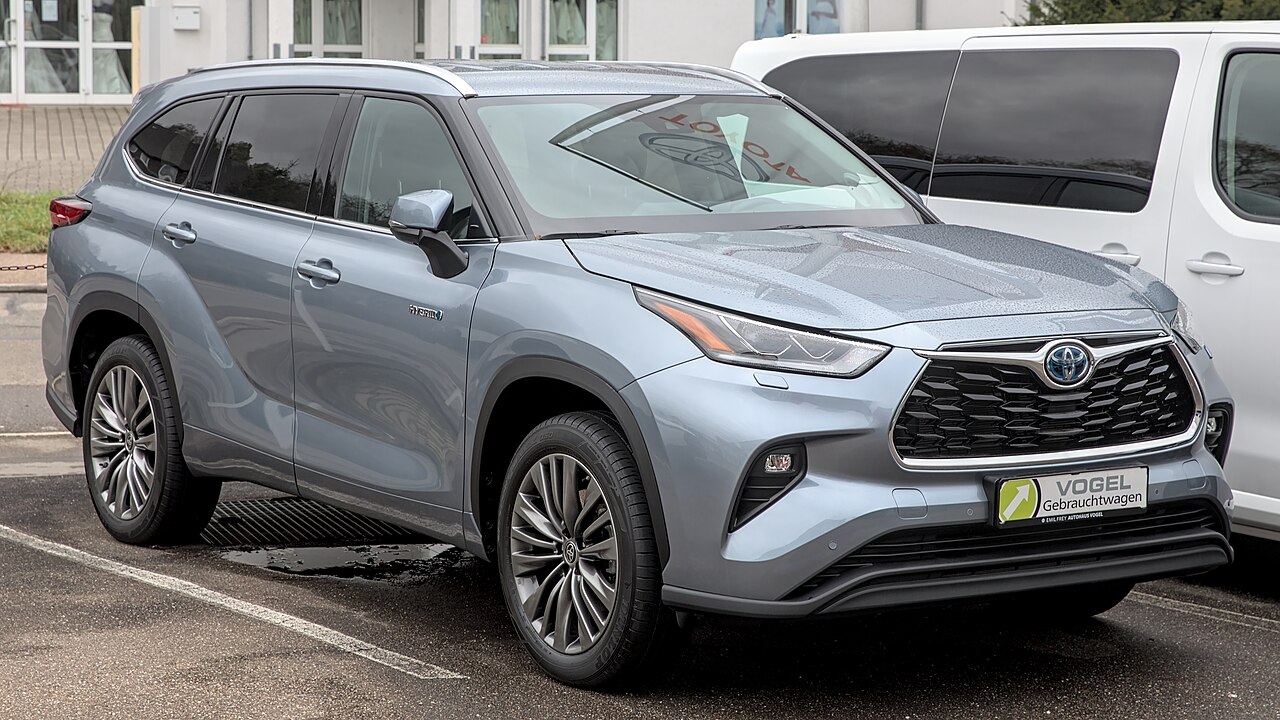
Maruti Suzuki Q2 Preview examines whether price hikes can offset rising input costs. This article delves into what to expect in the upcoming quarter.
Key Factors Influencing Maruti Suzuki’s Q2
As Maruti Suzuki prepares for its Q2 performance, several key factors are expected to influence the company’s results and pricing strategies. The Maruti Suzuki Q2 Preview highlights the challenges and opportunities that lie ahead for the automaker.
- Input Costs: One of the primary concerns for Maruti Suzuki is the ongoing rise in input costs. The increase in raw material prices, particularly steel and semiconductor shortages, has put pressure on profit margins. The company is evaluating whether price hikes will be sufficient to offset these rising expenses.
- Demand Trends: Consumer demand remains a critical factor. With the festive season approaching, Maruti Suzuki is optimistic about a potential uptick in sales. However, the company must navigate shifting consumer preferences towards electric and hybrid vehicles.
- Competitive Landscape: The automotive market is increasingly competitive, with new entrants and established brands vying for market share. Maruti Suzuki’s ability to adapt to these competitive pressures while maintaining its reputation for affordability will be crucial.
- Regulatory Changes: New regulations related to emissions and safety standards may require additional investment from Maruti Suzuki. Compliance with these regulations could influence pricing strategies moving forward.
Understanding these factors will be essential as stakeholders anticipate the implications for Maruti Suzuki’s performance in the upcoming quarter.
Impact of Price Hikes on Sales
The recent price hikes implemented by Maruti Suzuki are expected to have a significant impact on the company’s sales performance in Q2. As consumers face increasing costs of living, the reaction to these price adjustments will be closely monitored. Analysts suggest that while price increases are a necessary response to rising input costs, they may also deter potential buyers.
Market experts outline several key factors that could influence the effectiveness of the price hikes:
- Consumer Sentiment: The overall economic climate and consumer confidence play a crucial role in vehicle sales. If potential buyers perceive the price hikes as excessive, they may delay their purchases or opt for more affordable alternatives.
- Competitor Pricing: Maruti Suzuki must also consider how rival manufacturers adjust their pricing strategies in response to the same market pressures. Competitive pricing could mitigate the impact of Maruti’s increases.
- Product Offerings: The attractiveness of new models and features can help justify the price hikes. If customers see value in the latest offerings from Maruti Suzuki, they may be more willing to absorb the additional costs.
Ultimately, the impact of these price hikes on Maruti Suzuki’s Q2 sales will depend on the delicate balance between maintaining profitability and meeting consumer demand.
Expert Predictions for Maruti’s Performance
As analysts delve into the Maruti Suzuki Q2 preview, expert predictions indicate a mixed outlook for the automotive giant. Several factors come into play when assessing the company’s performance during this quarter, particularly in light of the recent price hikes.
Experts suggest that while the price increases are a necessary response to rising input costs, they may not fully cushion Maruti Suzuki from potential declines in demand. Key predictions include:
- Market Response: Analysts expect a cautious response from consumers, especially in a competitive market. The price hikes could deter budget-conscious buyers, impacting overall sales volumes.
- Profit Margins: Some experts predict that despite the initial dip in sales, higher prices may eventually lead to improved profit margins for Maruti Suzuki, particularly in premium models.
- Shift in Consumer Preferences: A noticeable trend towards electric vehicles could also influence Maruti’s performance. The company may need to accelerate its EV initiatives to capture this growing segment.
In conclusion, the Maruti Suzuki Q2 preview highlights a complex interplay of pricing strategies and market dynamics. While the company remains a leading player, its ability to adapt to changing consumer behaviors and manage costs effectively will be crucial for sustained growth.
Understanding Input Costs in the Auto Sector
As the auto sector navigates a landscape marked by fluctuating input costs, understanding these factors is crucial for predicting the outcomes of Maruti Suzuki’s Q2 performance. The rising prices of raw materials have significantly impacted the production expenses of automotive companies, including Maruti Suzuki.
Several key elements contribute to these escalating input costs:
- Raw Material Prices: The cost of steel, aluminum, and other essential materials has surged, directly affecting vehicle manufacturing expenses.
- Supply Chain Disruptions: Global supply chain issues, exacerbated by recent geopolitical tensions and pandemic-related challenges, have led to scarcity and increased prices of components.
- Logistics Costs: Rising fuel prices have further inflated transportation expenses, creating additional financial pressures on manufacturers.
- Regulatory Changes: New environmental regulations may necessitate the adoption of advanced technologies, which can be costly for auto manufacturers.
For Maruti Suzuki, these input costs pose a significant challenge. The company is poised to implement price hikes to offset these rising expenses, a strategy that could potentially influence consumer demand. As we approach the Q2 preview, analysts will be closely monitoring how these dynamics interact within Maruti Suzuki’s pricing strategy and overall market performance.
The Maruti Suzuki Q2 Preview indicates that consumers should brace for potential price hikes due to rising production costs. As we delve deeper into the Maruti Suzuki Q2 Preview, analysts suggest that these adjustments might be necessary to maintain profit margins.
via Wikimedia Commons
Sources
You might also like
BAYON SUV launch: Is It the Best New Car for You? · Hyundai Bayon CNG launch: The Right Move for Eco-Friendly Cars · Hyundai Bayon launch: Is it the best SUV for India?