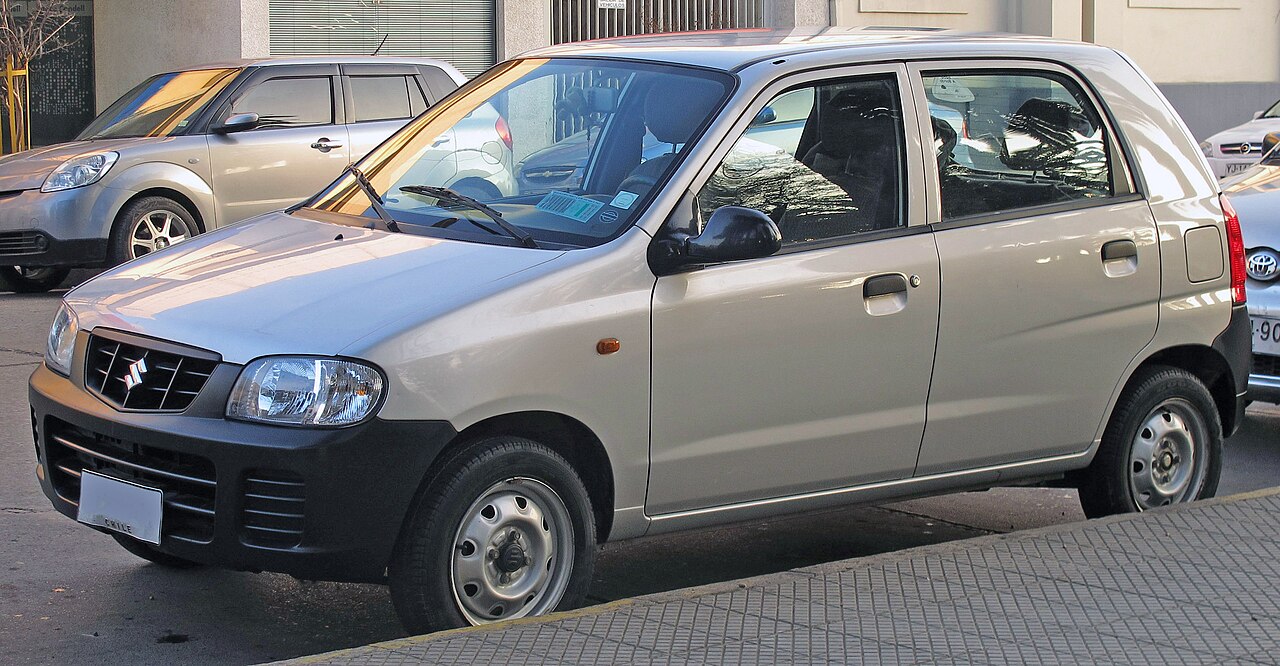
Hyundai vehicle price hike has been announced, with prices increasing by up to Rs 8,000 starting December 1. This change affects various models in their lineup.
Reasons for Hyundai’s Price Increase
Hyundai Motor India has announced a price hike for its vehicles, effective from December 1, with increases of up to Rs 8,000. This decision has raised concerns among consumers and industry experts alike. Several factors contribute to this Hyundai vehicle price hike.
- Rising Input Costs: The automotive industry has been grappling with escalating costs of raw materials, including steel and electronic components. These increased costs are being passed on to customers.
- Regulatory Changes: Stricter emissions norms and safety regulations have necessitated upgrades to vehicle technology, further impacting production expenses.
- Market Competition: In a highly competitive environment, maintaining profitability while investing in new technologies is crucial, prompting manufacturers to adjust prices accordingly.
- Supply Chain Disruptions: Ongoing disruptions in the supply chain, exacerbated by global events, have made it challenging for automakers to maintain stable pricing.
As customers brace for the upcoming price adjustments, Hyundai aims to remain competitive while addressing these pressing challenges in the automotive landscape.
Impact on Customers
The recent announcement of a Hyundai vehicle price hike has left many customers concerned about the impact on their budgets. With prices increasing by up to Rs 8,000 starting December 1, prospective buyers may need to reevaluate their purchasing decisions.
For current Hyundai owners, the situation presents a different challenge. Many may find that the resale value of their vehicles could be affected by the overall price increase in the market. As new models become more expensive, the depreciation on older models may accelerate, leading to potential financial losses for those looking to sell or trade in their vehicles.
Customers who were considering purchasing a Hyundai vehicle might also feel pressured to act quickly before prices rise further. This urgency could lead to a spike in sales in the short term, but it raises questions about long-term customer satisfaction and loyalty.
In summary, the Hyundai vehicle price hike is set to alter the landscape for both potential buyers and existing customers, prompting many to reassess their options in the coming weeks.
Models Affected by Price Hike
Hyundai Motor India has announced a price hike affecting several of its popular models, with increases reaching up to Rs 8,000. This decision comes as part of a broader strategy to adjust pricing due to rising input costs and increasing demand in the market. The following models are among those impacted by the Hyundai vehicle price hike:
- Hyundai Creta – A favorite in the compact SUV segment, known for its features and design.
- Hyundai Venue – This subcompact SUV appeals to younger buyers with its stylish looks and technology.
- Hyundai i20 – A popular hatchback that combines performance with practicality.
- Hyundai Verna – This sedan is well-regarded for its comfort and driving experience.
- Hyundai Tucson – A premium SUV offering advanced features and a spacious interior.
As customers prepare for these changes, the price hike may influence purchasing decisions, especially in a competitive automotive market.
Expert Opinions on the Change
Experts in the automotive industry have weighed in on the recent Hyundai vehicle price hike, which is set to take effect from December 1. According to analysts, this increase, which can reach up to Rs 8,000, is primarily driven by escalating production costs and inflationary pressures. Rajesh Kumar, an automotive market analyst, stated, “Manufacturers are facing a tough environment with rising raw material costs and supply chain disruptions, which inevitably lead to price adjustments.”
Additionally, Neeta Sharma, a financial consultant, emphasized that the decision to raise prices could also be influenced by competitive positioning within the market. “Hyundai is not alone; many automakers are reassessing their pricing strategies to maintain profitability while balancing consumer demand,” she noted.
Furthermore, Dr. Anil Mehta, an economist, pointed out that consumers need to be prepared for potential price hikes across the industry. “This Hyundai vehicle price hike may set a precedent, prompting other manufacturers to follow suit,” he remarked, indicating a broader trend within the automotive sector.
Future Trends in Vehicle Pricing
As the automotive industry continues to evolve, the trend of price adjustments is becoming increasingly common. The recent Hyundai vehicle price hike is indicative of broader market dynamics that are likely to shape future pricing strategies across various manufacturers.
Analysts suggest that several factors will influence vehicle pricing in the coming years:
- Raw Material Costs: Fluctuations in the prices of essential materials such as steel and aluminum are expected to impact manufacturing expenses.
- Technological Advancements: As vehicles become more technologically advanced, the costs associated with research and development will likely be passed on to consumers.
- Regulatory Changes: Stricter emissions regulations may lead to increased production costs, contributing to a rise in vehicle prices.
- Supply Chain Challenges: Ongoing disruptions in global supply chains could result in higher logistical costs, further impacting retail prices.
In summary, consumers may need to prepare for continued fluctuations in vehicle prices, as the industry adapts to these evolving challenges.
Read the original
Free Car Marketplace: Ukrainian Diaspora Launches on Telegram · Toyota Glanza Specifications: The Best Comparison Guide · Microsoft 365 Car Work Agent: The Best Smart Solution