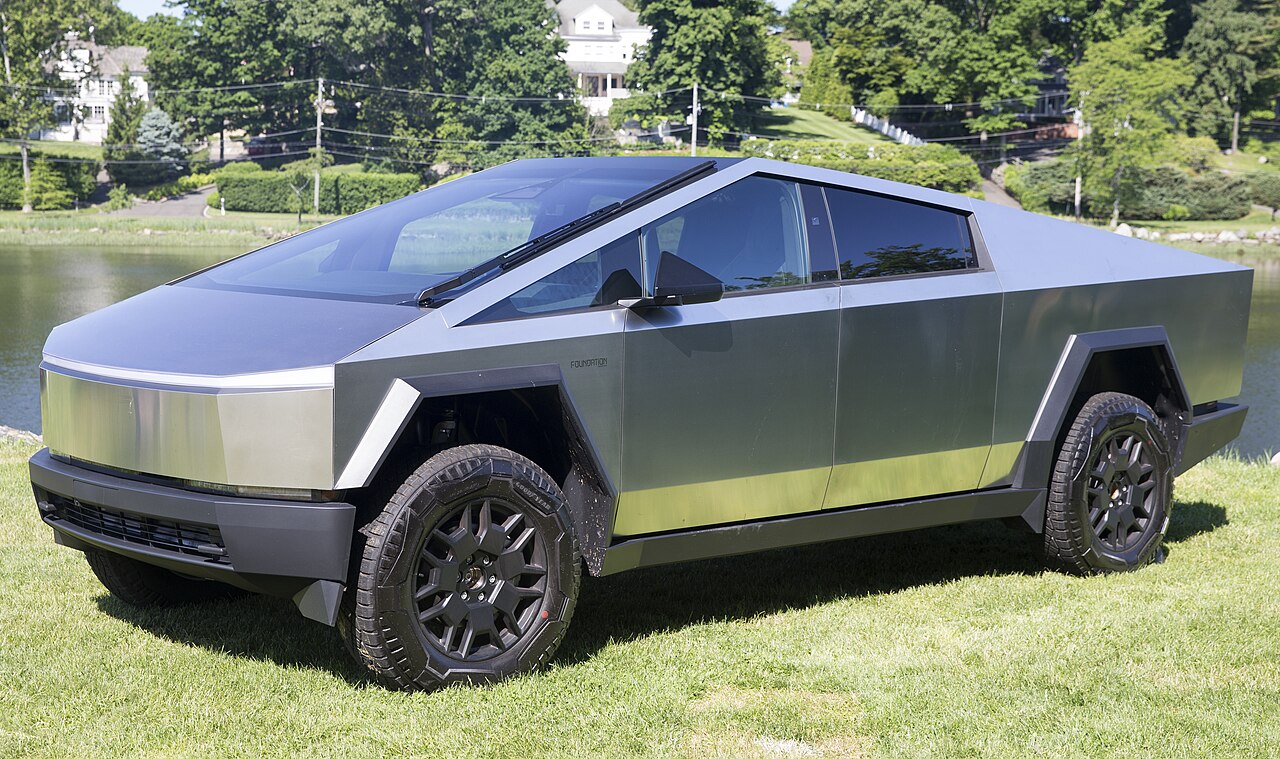
Cybertruck production changes are now shaping Tesla’s manufacturing strategy as Elon Musk pivots towards building Cybercabs. This shift raises questions about the future of Tesla’s production capabilities.
Understanding the Cybertruck production changes
Tesla’s recent Cybertruck production changes have raised eyebrows across the automotive industry. As the company shifts its focus towards new models, including the upcoming Cybercabs, significant updates to the production line have been implemented. This transformation is not only a response to market demands but also a strategic move to enhance efficiency and innovation.
One of the most notable adjustments involves reallocating factory space previously dedicated to the Cybertruck. The Model S and Model X have already made way for cutting-edge robotic systems, enabling faster assembly and improved quality control. This shift suggests that Tesla is prioritizing the integration of advanced technology in its manufacturing processes.
Furthermore, these production changes may reflect broader trends within the electric vehicle market, where adaptability is crucial. As consumer preferences evolve, manufacturers like Tesla must be agile enough to pivot towards models that promise higher demand and profitability.
Ultimately, the implications of these changes could resonate throughout the industry, potentially setting new standards for production efficiency and technological advancement.
Why is Tesla shifting focus to Cybercabs?
In recent developments, Tesla is shifting its focus to the production of Cybercabs, a move that has raised eyebrows among industry experts and enthusiasts alike. This strategic pivot comes as the company winds down Cybertruck production changes, redirecting resources towards a vehicle that aligns more closely with current market demands.
There are several reasons behind this transition:
- Increased Demand: The rise in popularity of ride-sharing services has created a significant demand for electric vehicles designed for commercial use.
- Cost Efficiency: By reallocating production resources from the Cybertruck to Cybercabs, Tesla aims to enhance efficiency and optimize its manufacturing processes.
- Market Trends: With urban mobility evolving, Tesla recognizes the need to innovate and adapt its offerings to better suit consumer preferences.
As Tesla continues to navigate these production changes, the shift to Cybercabs could also signify a broader industry trend towards electrification in public and private transportation. This move may ultimately position Tesla as a leader in the electric cab market, further solidifying its commitment to sustainable transportation solutions.
Impact of production changes on Tesla’s factory layout
The recent Cybertruck production changes have led to significant alterations in Tesla’s factory layout, prompting a reevaluation of their manufacturing priorities. With the shift towards Cybercabs, Tesla is reallocating resources and space that were previously dedicated to the Cybertruck.
These adjustments are not merely logistical; they represent a strategic pivot for the company. The decision to wind down Cybertruck production allows Tesla to enhance efficiency and throughput for its Cybercab line. This reconfiguration could lead to:
- Increased production capacity for the more in-demand models, addressing market needs swiftly.
- Optimized floor space, as advanced robotics and automation technologies are integrated to streamline manufacturing processes.
- Enhanced employee training programs to adapt to new production techniques and technologies.
As Tesla continues to evolve its manufacturing approach, the impact of these production changes will likely resonate throughout the organization, affecting everything from supply chain management to workforce dynamics. Ultimately, these shifts could position Tesla for greater competitiveness in the rapidly changing automotive landscape.
Elon Musk’s vision for Tesla’s future
Elon Musk’s vision for Tesla’s future is deeply intertwined with innovation and adaptability, which is particularly evident in the recent Cybertruck production changes. Musk has long advocated for a shift towards sustainable and versatile transportation solutions, and the introduction of Cybercabs aligns with this philosophy. By reallocating resources and adjusting production priorities, Tesla aims to enhance its offerings while meeting evolving consumer demands.
In his recent statements, Musk emphasized the importance of staying ahead in the competitive automotive landscape. He believes that the Cybercab, a more practical and efficient vehicle, will cater to a broader audience, making electric vehicles more accessible. This pivot not only showcases Tesla’s commitment to sustainability but also reflects Musk’s understanding of market trends.
Furthermore, the adjustments in production are expected to yield significant benefits, including increased efficiency and reduced costs. As Tesla continues to innovate, the focus on Cybercabs may ultimately position the company for long-term success, demonstrating Musk’s ability to foresee and adapt to industry changes. In this light, the Cybertruck production changes can be seen as a strategic move towards a more sustainable and profitable future for Tesla.
Comparing Cybertruck and Cybercab features
The recent changes in Cybertruck production have sparked interest in comparing the features of the Cybertruck and the newly introduced Cybercab. Both vehicles highlight Tesla’s innovative approach, yet they cater to different market segments.
Cybertruck Features:
- Exterior: The Cybertruck boasts an angular, stainless-steel design that promotes durability and a futuristic aesthetic.
- Performance: With impressive torque and acceleration, it is positioned as a high-performance electric vehicle.
- Utility: Designed for off-road capabilities and heavy-duty tasks, it appeals to adventurous consumers and tradespeople alike.
Cybercab Features:
- Interior: The Cybercab emphasizes comfort and spaciousness, making it ideal for passengers.
- Autonomous Driving: Enhanced self-driving technology positions it as a leader in the ride-sharing market.
- Efficiency: Built with urban commuters in mind, it offers an efficient and eco-friendly alternative to traditional taxis.
As Tesla adjusts its production strategy, the differences between the Cybertruck and Cybercab illustrate a broader shift in focus towards maximizing efficiency and meeting diverse consumer needs.
What this means for Tesla’s market position
The recent Cybertruck production changes have significant implications for Tesla’s market position, particularly as the company pivots towards the Cybercab model. By reallocating resources and production capabilities, Tesla aims to enhance its competitive edge in the growing electric vehicle market.
Analysts suggest that this strategic shift could enable Tesla to better respond to consumer demands and market trends. As the Cybercab is designed for ride-sharing and urban mobility, its introduction may attract a broader customer base, further solidifying Tesla’s dominance in the EV sector.
- Increased Production Efficiency: The new focus allows Tesla to streamline operations and improve manufacturing processes.
- Broader Market Appeal: By offering vehicles like the Cybercab, Tesla can cater to a diverse range of consumers, from individual buyers to fleet operators.
- Innovation and Adaptation: Emphasizing adaptability, Tesla continues to innovate in response to market needs.
Ultimately, these Cybertruck production changes reflect Tesla’s commitment to staying ahead in the competitive landscape of electric vehicles, positioning the company for long-term success.
The recent Cybertruck production changes have sparked discussions about Tesla’s ability to meet demand. Analysts are closely monitoring how these Cybertruck production changes will affect the company’s overall market strategy.
via Wikimedia Commons