Electric buses India are gaining traction as the Delhi government dedicates 150 new electric buses and inaugurates five public EV charging stations.
Delhi’s Commitment to Electric Buses
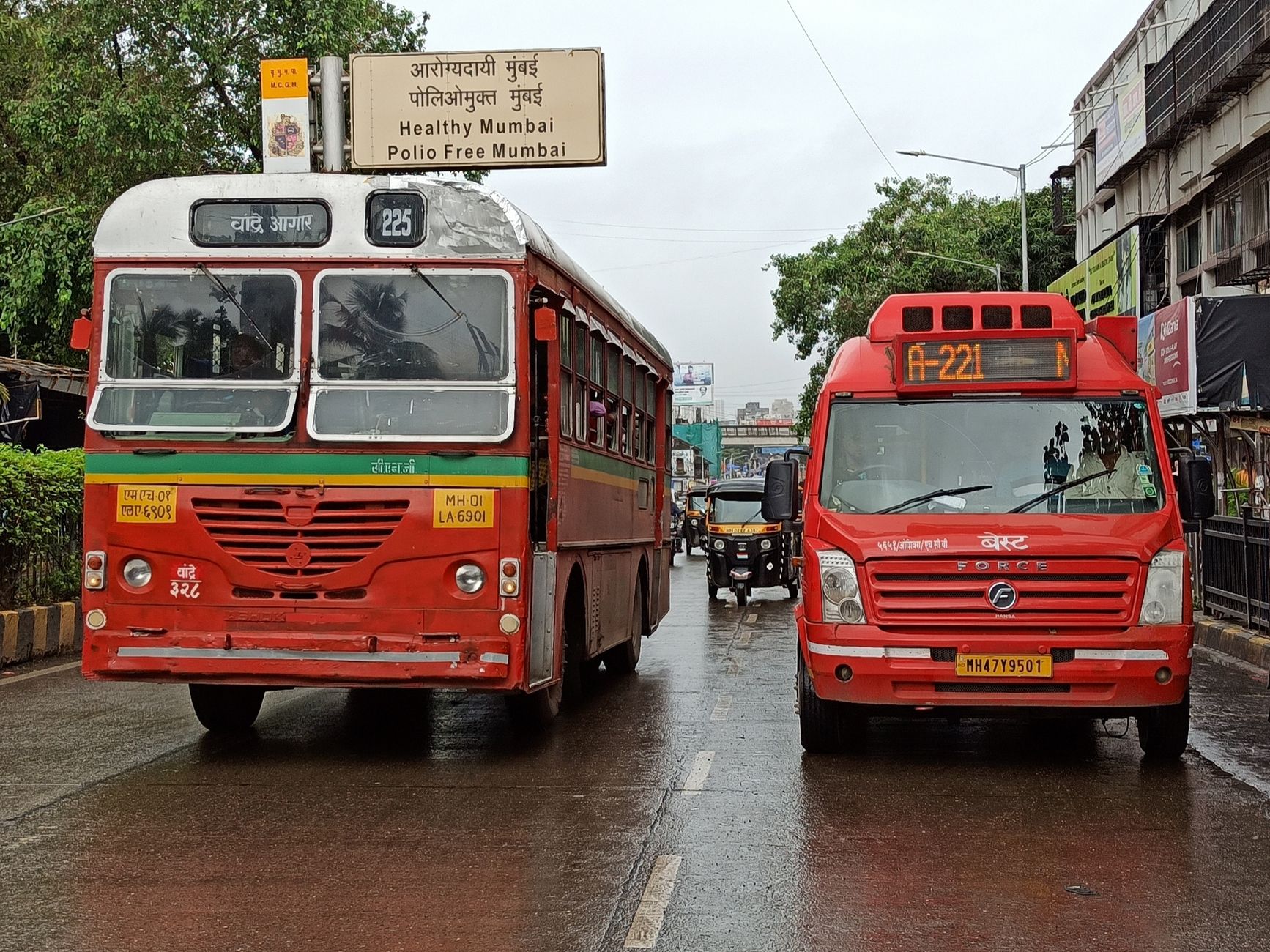
In a significant move towards sustainable urban transport, the Delhi government has announced the induction of 150 new electric buses into its public transportation fleet. This initiative underscores the city’s commitment to enhancing air quality and reducing reliance on fossil fuels. As part of a broader strategy to promote clean transport, these electric buses are expected to play a crucial role in transforming the public transit system in the capital.
The newly launched electric buses are equipped with modern technology that ensures not only an eco-friendly mode of transport but also a comfortable ride for passengers. The introduction of these buses is timely, as Delhi faces increasing pollution levels and traffic congestion. The government aims to provide a reliable alternative to traditional diesel buses, thereby encouraging more commuters to opt for public transport.
Alongside the new buses, the inauguration of five public EV charging stations marks another step forward in supporting electric vehicles across the city. This infrastructure will facilitate the seamless operation of electric buses and promote the adoption of electric vehicles among private users as well.
With this initiative, Delhi sets an example for other cities in India, reinforcing that electric buses are not just a viable option but a necessary step towards achieving cleaner and greener urban transport solutions. The concerted efforts of the government may pave the way for a wider implementation of electric buses throughout the country, contributing significantly to India’s commitment to sustainability.
Benefits of Electric Public Transport
The adoption of electric public transport, particularly electric buses in India, brings several significant benefits that contribute to a cleaner and more sustainable urban environment.
One of the primary advantages is the reduction of air pollution. Traditional diesel buses emit harmful pollutants that degrade air quality, leading to respiratory issues among urban populations. In contrast, electric buses produce zero tailpipe emissions, significantly improving air quality in cities.
Additionally, electric buses offer a quieter mode of transportation. The reduction in noise pollution creates a more pleasant urban atmosphere, enhancing the overall quality of life for residents.
The operational costs of electric buses are also lower compared to their diesel counterparts. With fewer moving parts and less maintenance required, electric buses can lead to substantial savings for public transport authorities. Moreover, the cost of electricity is generally lower than diesel fuel, providing further economic benefits.
Electric buses also support the transition towards renewable energy sources. As India increases its investment in solar, wind, and other renewable energy technologies, electric buses can be powered by cleaner energy, further reducing their environmental impact.
Lastly, the implementation of electric public transport systems can stimulate job creation in the manufacturing, maintenance, and charging infrastructure sectors, contributing to economic growth.
- Reduction in air pollution
- Lower noise levels
- Reduced operational costs
- Support for renewable energy
- Job creation opportunities
Overview of New EV Charging Stations
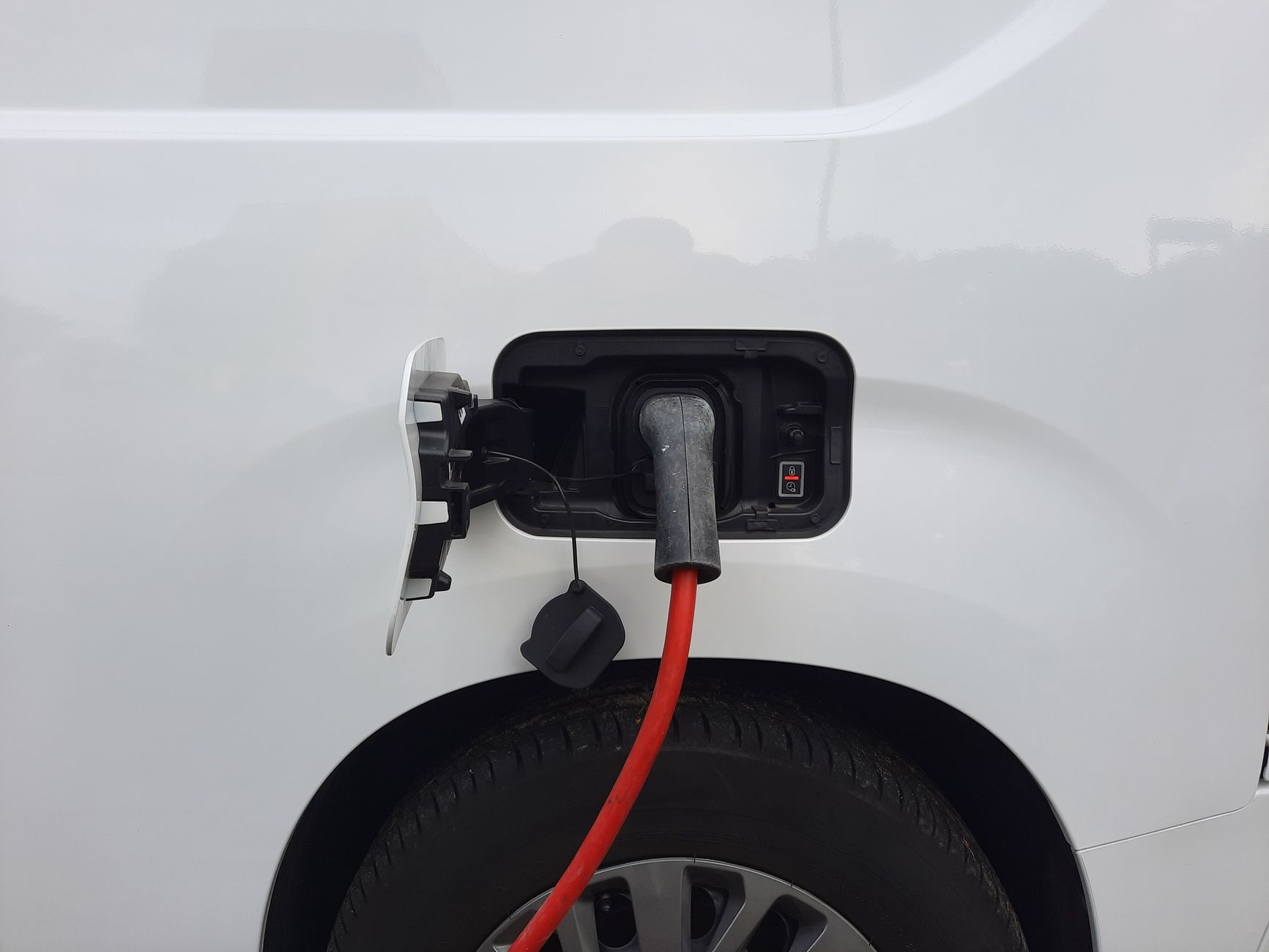
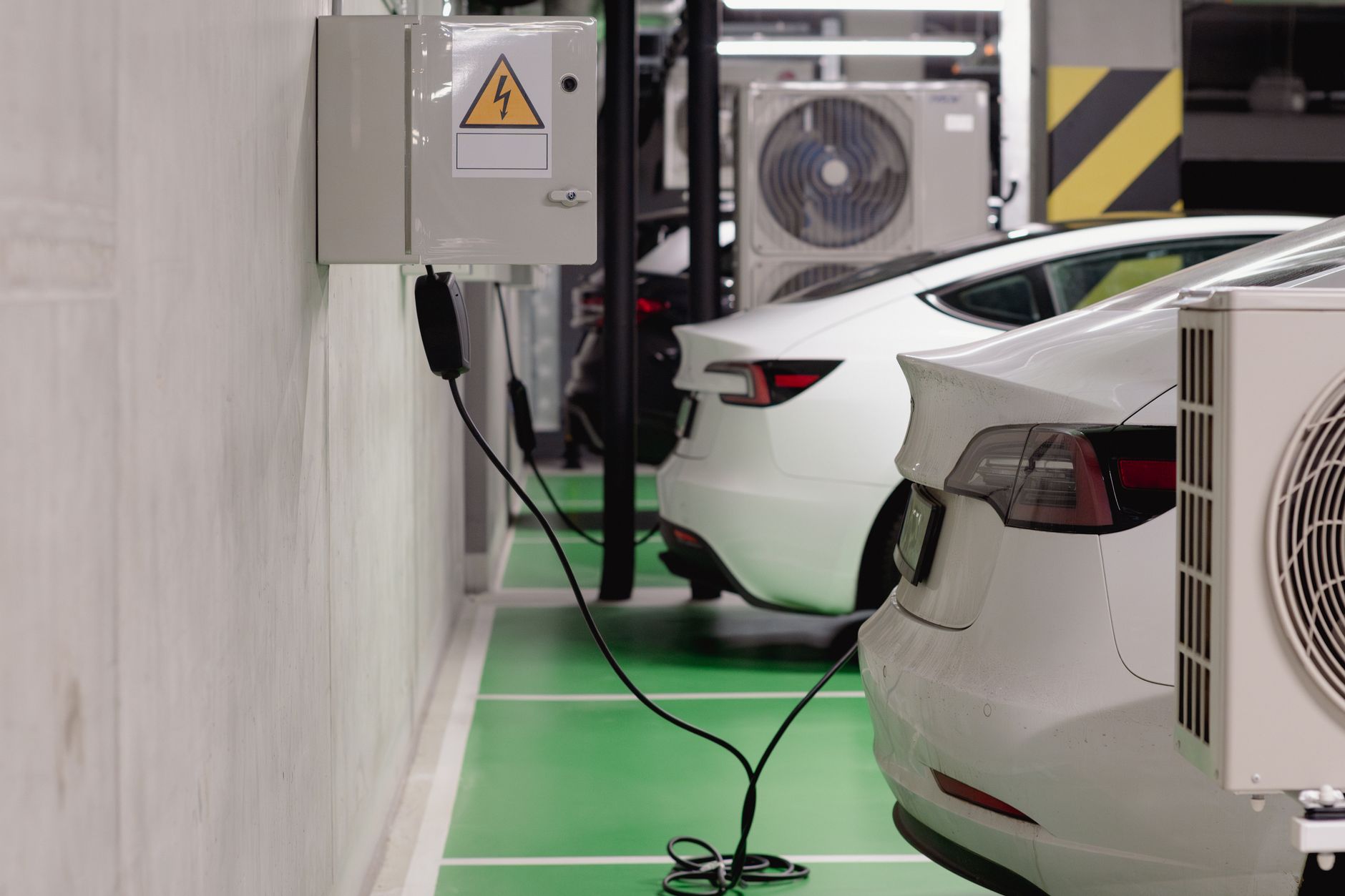
The recent inauguration of five public EV charging stations in Delhi marks a significant step towards enhancing the infrastructure required for electric buses in India. These charging stations are essential for supporting the growing fleet of electric public transport vehicles, ensuring that they operate efficiently and sustainably.
These new facilities are strategically located in high-traffic areas, making them easily accessible for electric buses and other electric vehicles. This initiative is part of the Delhi government’s broader commitment to transition to cleaner transport solutions, which includes the deployment of 150 new electric buses.
The charging stations are equipped with advanced technology to facilitate fast charging, significantly reducing downtime for electric buses. With the increasing number of electric buses in service, the demand for reliable and efficient charging infrastructure is more critical than ever.
Moreover, the introduction of these stations is expected to encourage more citizens to adopt electric vehicles, as the availability of charging points alleviates concerns regarding range anxiety. This development aligns with the government’s vision of promoting electric mobility and reducing the carbon footprint of public transportation.
Overall, the establishment of these EV charging stations is a crucial move towards supporting electric buses in India, paving the way for a more sustainable future in public transport.
Impact on Air Quality in Delhi
The introduction of electric buses in India, particularly in Delhi, is poised to significantly improve the urban air quality, which has been a growing concern. As the capital grapples with pollution levels that often exceed safe limits, the shift towards electric public transport offers a promising solution.
Electric buses emit zero tailpipe pollutants, which is crucial in a city where vehicular emissions contribute heavily to smog and respiratory issues among residents. By replacing traditional diesel buses with electric alternatives, the Delhi government aims to reduce harmful emissions, thereby enhancing the overall air quality. This initiative aligns with broader environmental goals and public health priorities.
In addition to lowering emissions, the deployment of electric buses is expected to have several indirect benefits:
- Reduction in Noise Pollution: Electric buses operate more quietly than their diesel counterparts, contributing to less noise pollution in densely populated areas.
- Increased Public Awareness: The visibility of electric buses may encourage more residents to consider sustainable transport options, fostering a culture of environmental responsibility.
- Potential for Renewable Energy Integration: As India expands its renewable energy capacity, electric buses can be charged using clean energy sources, further diminishing their carbon footprint.
Overall, the impact of electric buses in India extends beyond transportation, representing a crucial step toward cleaner air and healthier urban living conditions.
Future of Electric Buses in India
The future of electric buses in India looks promising as cities increasingly recognize the need for sustainable transportation solutions. With the government’s commitment to reducing emissions and improving urban air quality, electric buses are becoming a pivotal part of this transition.
As more states follow Delhi’s lead, several factors will contribute to the growth of electric buses:
- Government Policies: Supportive policies and incentives for electric vehicle manufacturers and operators will encourage investment in electric bus fleets.
- Technological Advancements: Improvements in battery technology and charging infrastructure will enhance the efficiency and range of electric buses, making them a viable alternative to traditional diesel buses.
- Public Awareness: Increased awareness of the environmental benefits of electric buses will drive public support and demand for cleaner transport options.
- Partnerships: Collaborations between government, private companies, and NGOs will facilitate the rollout of electric buses, ensuring a smooth transition to a greener transit system.
As cities invest in electric buses, the potential for job creation in manufacturing, maintenance, and operation also grows. This sector not only promises a reduction in urban pollution but also fosters economic growth.
In conclusion, the future of electric buses in India is bright, with the potential to transform public transport and contribute significantly to cleaner air and a healthier environment for all.
Government Initiatives for Clean Energy
The Indian government has taken significant strides towards promoting clean energy solutions, particularly through the adoption of electric buses. Various initiatives have been implemented to support the transition from traditional fossil fuels to electric vehicles, aiming to reduce pollution and enhance public transportation systems across the country.
One of the major initiatives includes the Faster Adoption and Manufacturing of Electric Vehicles (FAME) scheme, which offers financial incentives for both manufacturers and consumers to encourage the use of electric buses in India. This scheme has led to substantial investments in developing new electric bus models and increasing their availability in urban areas.
Additionally, state governments are collaborating with private entities to establish extensive charging infrastructure. The recent inauguration of five public EV charging stations in Delhi is a testament to this effort. These charging stations not only facilitate the use of electric buses but also promote individual ownership of electric vehicles.
Moreover, the central government is working on policies that support the upgrading of existing public transport fleets to electric. Such initiatives aim to integrate electric buses into city transport networks seamlessly, ensuring a reliable and eco-friendly mode of transport for citizens.
In summary, the concerted efforts by the Indian government to invest in electric buses and related infrastructure illustrate a strong commitment to a sustainable future, positioning electric buses India as a leading solution for clean urban transport.
As cities across the nation embrace sustainable solutions, electric buses India emerge as a pivotal element in reducing urban pollution. The growing investment in electric buses India not only enhances public transport but also contributes significantly to the fight against climate change.
Photo by Dipesh K on Pexels
Where this came from
You might also like
Car stolen Clydebank: Investigation launched after fire · Public EV Charging Station: Is It the Best Solution for Hospitals? · Xpeng G9L EV: Is This the Best Crossover for Europe?