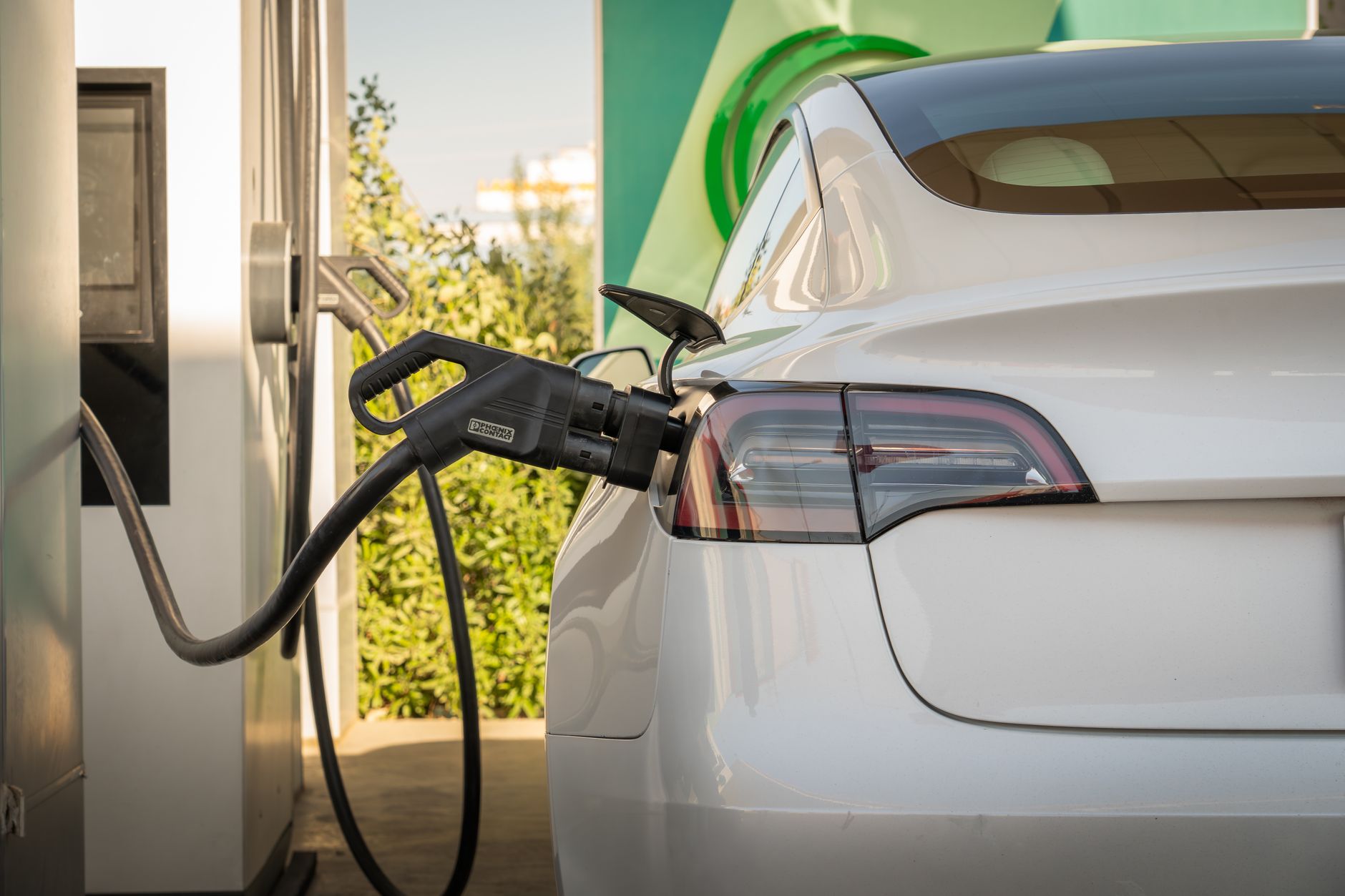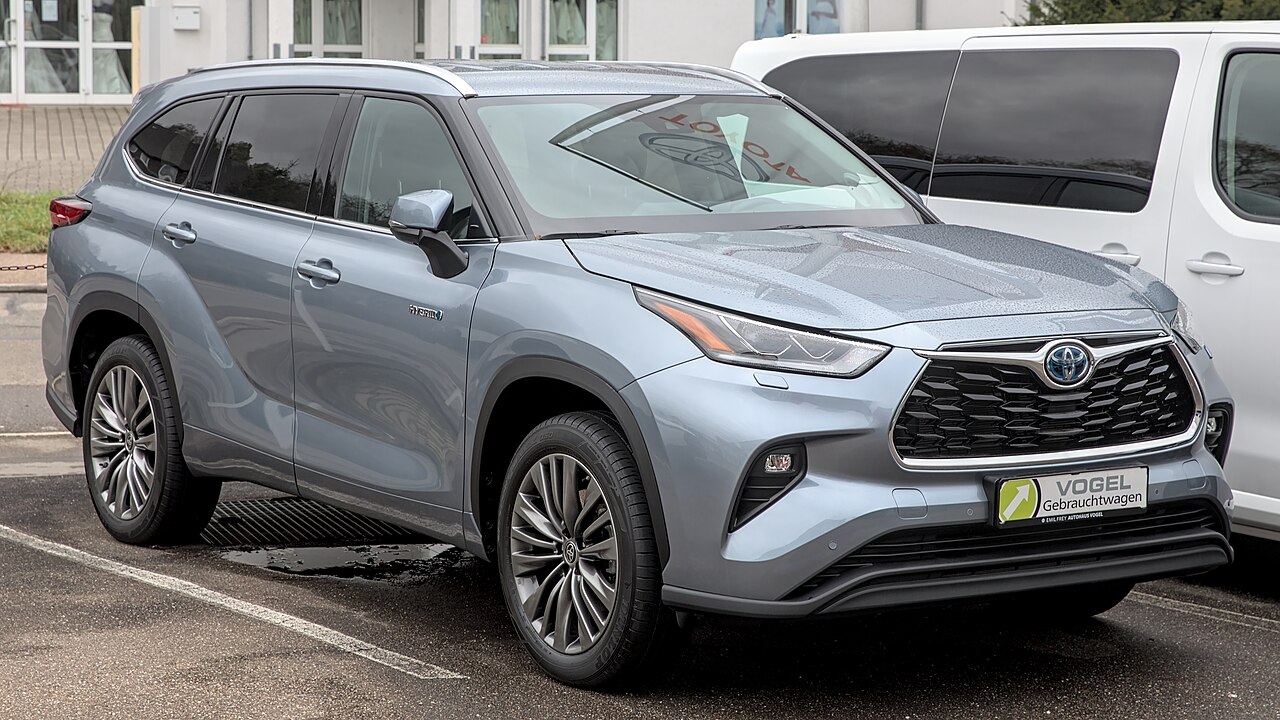
The extended-range EV from Toyota is set to make waves in the automotive market. This innovative vehicle promises to deliver an impressive driving experience while addressing the growing demand for eco-friendly transportation.
What is an Extended-Range EV?
An extended-range EV (electric vehicle) is designed to provide drivers with the benefits of electric driving while also addressing the limitations of traditional battery-only EVs. These vehicles are equipped with a small internal combustion engine that acts as a generator, extending the driving range when the battery runs low.
This innovative technology allows for:
- Increased flexibility: Drivers can enjoy electric driving for daily commutes while still having the option of a gas-powered range for longer trips.
- Reduced range anxiety: With the combination of electric and gasoline power, drivers can travel farther without the fear of running out of charge.
- Efficient energy use: Extended-range EVs optimize fuel consumption, making them more environmentally friendly than traditional combustion engine vehicles.
As automakers, including Toyota, begin to unveil their extended-range EV models, consumers can expect a new era of versatile and efficient transportation options. The upcoming Toyota Highlander alternative promises to deliver this blend of electric and gasoline power, catering to a growing market of eco-conscious drivers.
Toyota’s Vision for Electric Vehicles
Toyota has long been a leader in the automotive industry, and their vision for electric vehicles continues to evolve. With the upcoming release of their first extended-range EV, the company aims to redefine the family SUV market, positioning itself as a strong competitor to models like the Highlander.
The shift towards sustainable transportation is evident in Toyota’s commitment to reducing carbon emissions. By introducing extended-range EVs, the company seeks to offer drivers the flexibility of electric driving without the limitations of traditional battery electric vehicles. This technology allows for longer trips without the anxiety of running out of power.
Key elements of Toyota’s strategy include:
- Innovative Technology: Incorporating cutting-edge systems for enhanced performance and efficiency.
- Versatility: Catering to a wide range of consumer needs, from urban commuting to family road trips.
- Sustainability: Focusing on eco-friendly materials and production processes.
As Toyota prepares to unveil this new extended-range EV, the excitement among consumers and industry experts is palpable.
Key Features of the New Highlander EV
The new Highlander EV is set to impress with a range of key features that position it as a leading alternative for those considering extended-range EVs. Here are some of the highlights:
- Impressive Range: The Highlander EV offers an extended driving range, allowing drivers to travel longer distances without frequent charging stops, making it ideal for road trips and daily commutes.
- Advanced Battery Technology: Equipped with cutting-edge battery technology, the Highlander EV ensures efficient energy use and rapid charging capabilities, reducing downtime.
- Spacious Interior: Designed with family comfort in mind, the Highlander EV features a roomy interior, providing ample space for passengers and cargo alike.
- Smart Connectivity: The vehicle comes with integrated smart technology, allowing for seamless connectivity and advanced infotainment options.
- Sustainable Materials: Toyota emphasizes sustainability by using eco-friendly materials in the Highlander EV’s construction, appealing to environmentally conscious consumers.
Overall, the Highlander EV is poised to redefine the market for extended-range EVs with its thoughtful design and innovative features.
Comparing Extended-Range EVs
As the automotive industry shifts towards more sustainable options, comparing extended-range EVs becomes essential for consumers seeking alternatives to traditional gasoline-powered vehicles. The new Highlander EV from Toyota represents a significant step in this direction, but it’s not the only option available.
When evaluating extended-range EVs, it’s important to consider several factors:
- Range: Many extended-range EVs offer capabilities that can easily exceed 300 miles on a single charge, providing peace of mind for long-distance travel.
- Charging Infrastructure: Access to a robust charging network can enhance the convenience of owning an extended-range EV, making it easier to recharge on the go.
- Performance: The driving experience in extended-range EVs often rivals that of traditional vehicles, with quick acceleration and smooth handling.
- Cost of Ownership: Extended-range EVs may have higher upfront costs, but savings on fuel and maintenance can lead to lower overall ownership costs.
Ultimately, considering these factors will help drivers make informed decisions when exploring alternatives to the Highlander EV.
Market Impact of Toyota’s New Release
The introduction of Toyota’s first extended-range EV is poised to make a significant impact on the automotive market. As consumers increasingly seek alternatives to traditional vehicles, the demand for extended-range EVs is on the rise. Toyota’s new model, closely resembling the Highlander, is expected to attract a diverse audience looking for efficiency without sacrificing range.
Experts believe that this release will not only enhance Toyota’s position in the electric vehicle sector but also influence competitors to innovate. With features designed to maximize performance and sustainability, the extended-range EV could set a new standard in the industry.
Key aspects of its market impact include:
- Increased Consumer Awareness: As Toyota promotes its new EV, awareness around electric vehicles will grow.
- Competition Dynamics: Rival automakers may accelerate their own extended-range EV developments.
- Environmental Benefits: More extended-range EVs on the road could lead to reduced emissions, positively affecting urban air quality.
Overall, Toyota’s new release is likely to reshape consumer expectations and drive the electric vehicle market forward.
via Wikimedia Commons