flying cars Tesla are making headlines as the company unveils its new Roadster, which not only drives upside down but also takes to the skies. This groundbreaking vehicle promises to redefine personal transportation.
What Makes the Tesla Roadster Unique?
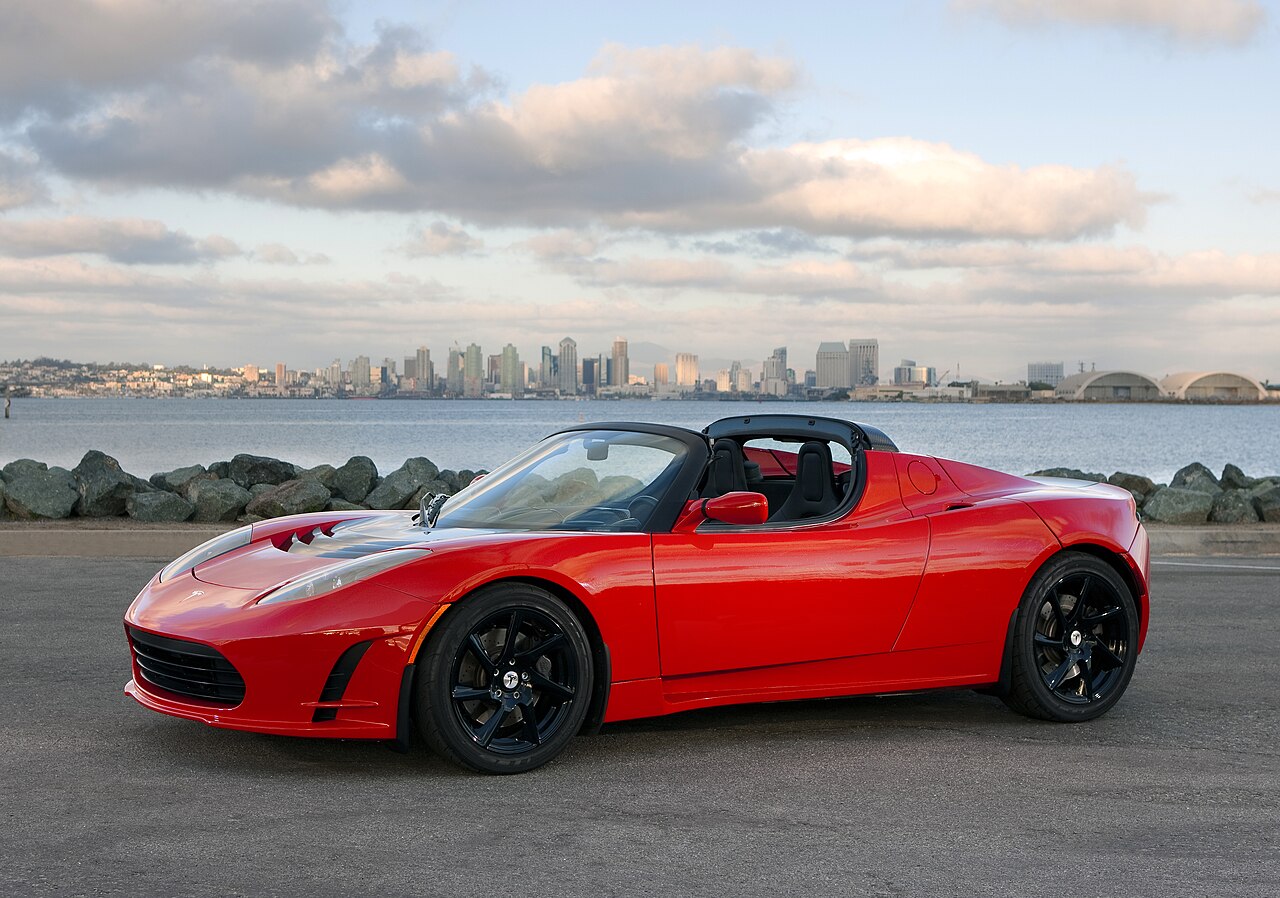
The recent unveiling of the Tesla Roadster has captured the world’s attention, showcasing what makes it truly unique in the evolving landscape of transportation. As flying cars become a reality, Tesla pushes the boundaries of innovation with this groundbreaking vehicle.
One of the standout features of the Tesla Roadster is its ability to seamlessly transition from driving to flying. Equipped with advanced aerodynamics, it is designed to enhance performance, allowing it to fly upside down, a feat never before seen in a production vehicle. This capability not only offers a thrilling experience but also revolutionizes how we think about travel.
Additionally, the Roadster boasts an impressive range and speed, making it a practical option for everyday use. Its electric powertrain ensures sustainability while maintaining high performance, aligning with Tesla’s commitment to reducing carbon emissions.
- Advanced aerodynamics for improved performance
- Seamless transition between driving and flying
- Electric powertrain for sustainability
With these innovative features, the Tesla Roadster is set to redefine what it means to own a flying car.
The Future of Flying Cars
The concept of flying cars is no longer a distant dream, as Tesla has taken significant steps towards making this futuristic vision a reality. With the unveiling of their latest model, the Tesla Roadster, the company has showcased not just a remarkable vehicle but a groundbreaking approach to transportation.
This innovative Roadster is designed to not only drive on roads but also take to the skies, offering a new level of freedom and flexibility for commuters. As cities become more congested, the need for alternative transportation methods is becoming increasingly urgent. Flying cars could alleviate traffic jams and reduce travel times significantly.
Key features of Tesla’s flying cars include:
- Vertical takeoff and landing capabilities
- Advanced propulsion systems that ensure safety and efficiency
- Integration with Tesla’s autonomous driving technology
- Eco-friendly energy solutions
As Tesla continues to innovate, the dream of flying cars is transforming into a tangible future, potentially revolutionizing how we think about personal transportation.
How Tesla is Leading the Charge
Tesla is at the forefront of a transportation revolution, spearheading innovations that could redefine how we think about travel. With the recent unveiling of their advanced Roadster, which boasts capabilities that include flying, Tesla is not just building cars; they are designing the future of personal transportation.
One of the standout features of the new Roadster is its ability to seamlessly transition from driving on roads to flying through the air. This dual functionality marks a significant milestone in the evolution of flying cars, a concept that has long been the stuff of science fiction.
In addition to its impressive flight capabilities, the Roadster is equipped with cutting-edge technology that enhances safety and efficiency. Tesla’s commitment to sustainability and innovation is evident in every aspect of its design, making it a leader in the race to integrate flying cars into everyday life.
As other companies scramble to catch up, Tesla’s pioneering efforts in the flying car sector are setting new standards and inspiring a wave of creativity in the automotive industry.
Consumer Reactions to Flying Cars
As Tesla unveils its groundbreaking flying cars, consumer reactions have been nothing short of electric. Many enthusiasts are expressing awe at the innovative design and functionality of these vehicles.
Social media platforms are buzzing with excitement, as potential buyers share their thoughts on the implications of flying cars in daily life.
- Convenience: Many consumers are thrilled about the prospect of bypassing traffic jams and reducing commute times.
- Safety: Some users raise concerns about safety regulations and the potential for accidents in the skies.
- Affordability: Questions about the price point of these flying cars are prevalent, with many wondering if they will be accessible to the average consumer.
- Environmental Impact: Environmentalists are divided, with some praising Tesla’s electric model while others worry about energy consumption.
Despite mixed feelings, the excitement surrounding Tesla’s flying cars signifies a major shift in transportation, heralding a future where driving could become a thing of the past.
The Technology Behind the Tesla Roadster
The unveiling of the new Tesla Roadster has introduced groundbreaking technology that redefines transportation. This innovative vehicle not only drives but also has the capability to fly, marking a significant advancement in the concept of flying cars.
At the heart of the Tesla Roadster’s technology is a powerful electric propulsion system. This system provides unprecedented speed and efficiency, allowing the car to transition seamlessly from ground to air. Equipped with advanced aerodynamics and lightweight materials, the Roadster can achieve remarkable flight performance.
Moreover, the vehicle features an intelligent navigation system that ensures safe and precise flying. With integrated sensors and real-time data processing, it can avoid obstacles and adapt to changing environments.
Additionally, the Tesla Roadster incorporates autonomous driving capabilities, making it a pioneer in the future of flying cars. As Tesla continues to innovate, the fusion of automotive and aviation technology promises to revolutionize how we think about personal transportation.
In conclusion, Tesla’s commitment to pushing the boundaries of technology sets the stage for a new era in mobility.
The introduction of flying cars Tesla marks a significant leap forward in urban mobility. With their advanced technology, flying cars Tesla promise to reduce traffic congestion and transform the way we travel.
via Wikimedia Commons