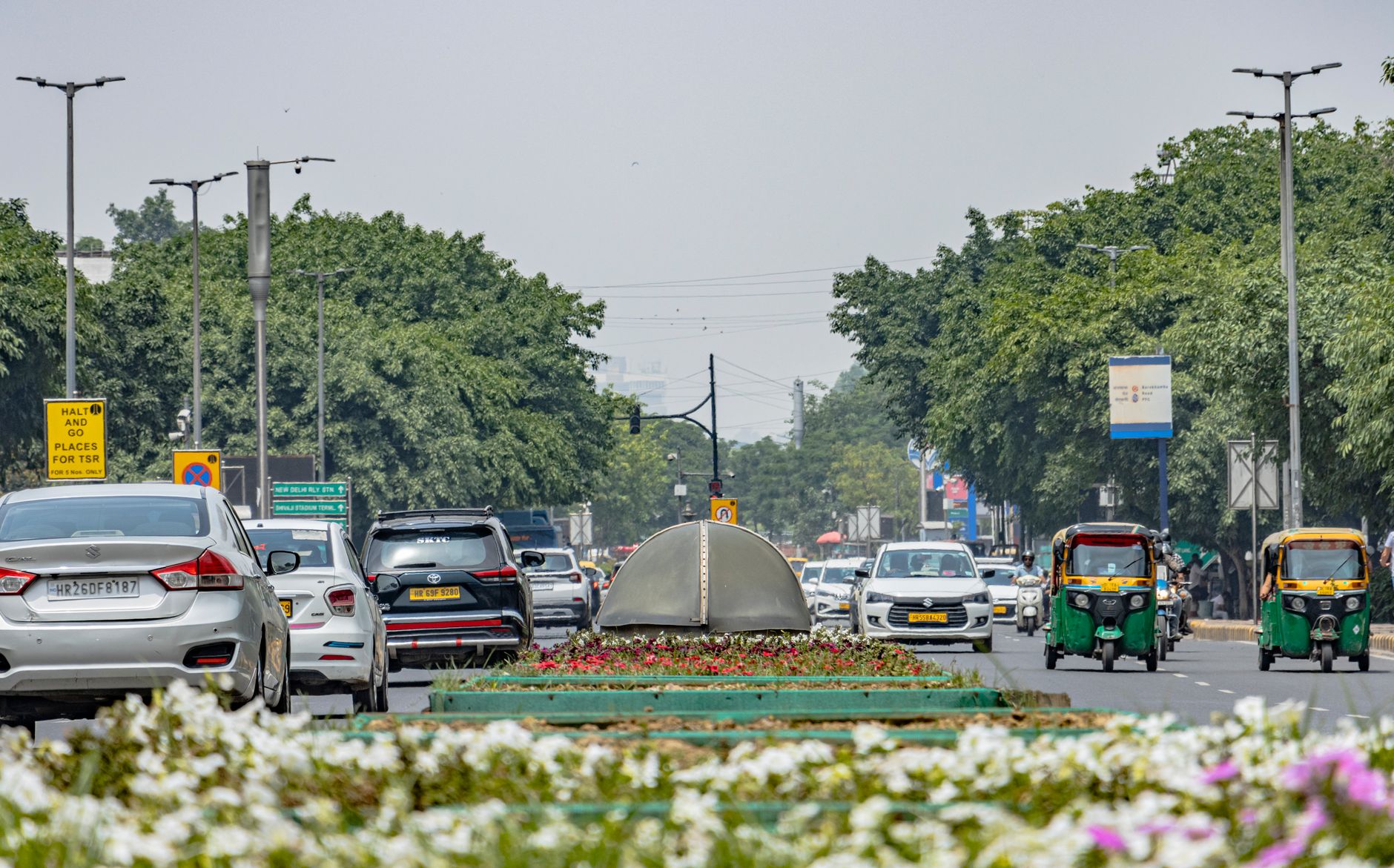
Tata Motors price hike will take effect from October 1, with an increase of up to 1% on commercial vehicles. This change is expected to influence the market dynamics significantly.
Overview of Tata Motors’ Price Hike
Tata Motors has announced a price hike that will affect its commercial vehicles, effective from October 1. This decision comes as part of the company’s strategy to cope with rising input costs and maintain profitability in a competitive market.
The increase will see prices rising by up to 1% across various models, which is expected to have a clear impact on the overall cost of ownership for fleet operators and small businesses relying on these vehicles for their operations.
This price adjustment is not an isolated incident, as several manufacturers in the automotive sector are facing similar pressures. Industry experts believe that the Tata Motors price hike could lead to a ripple effect, prompting other companies to follow suit in order to maintain their margins.
Fleet operators may need to revisit their budgets and consider the implications of the price increase on their operational costs. Consumer sentiment will also play a significant role, as potential buyers weigh the benefits of investing in new vehicles against the backdrop of rising prices.
As Tata Motors implements this price hike, the market will be closely watching the response from both consumers and competitors.
Impact on Commercial Vehicle Market
The recent announcement by Tata Motors regarding a price hike has stirred significant discussions within the commercial vehicle market. Effective from October 1, the increase of up to 1% is expected to have a ripple effect across various sectors reliant on these vehicles.
Industry experts suggest that this price hike may lead to a variety of outcomes:
- Increased Costs for Operators: Commercial vehicle operators may face tighter margins as operating costs rise due to the price increase.
- Market Adaptation: Companies may need to evaluate their pricing strategies, potentially passing on the costs to consumers, which could affect overall market demand.
- Impact on Fleet Expansion: Businesses looking to expand their fleets may reconsider their investments in light of the price hike, impacting sales for Tata Motors.
- Competitive Responses: Other manufacturers may adjust their pricing strategies in response, leading to a price war or promotional offers, which could affect market dynamics.
Overall, the Tata Motors price hike is likely to create both challenges and opportunities within the commercial vehicle landscape as stakeholders navigate the changes ahead.
Reasons Behind the Price Increase
Tata Motors has announced a price hike on its commercial vehicles, attributing the increase to several key factors. The decision to implement a price increase of up to 1% from October 1 comes as the company faces rising costs across various segments.
One of the primary reasons behind the price increase is the surge in raw material costs. The ongoing volatility in global markets has significantly affected the prices of essential components, such as steel and aluminum, which are crucial for manufacturing commercial vehicles.
Additionally, regulatory changes aimed at enhancing safety and emissions standards have led to increased investment in technology and compliance measures. These enhancements require substantial upfront costs, which are being passed on to consumers through the Tata Motors price hike.
Moreover, the company is also focusing on improving its product offerings and incorporating advanced features, which further contributes to the overall cost structure. As competitors in the commercial vehicle sector also adjust their pricing strategies, the price hike may reflect broader market trends and pressures.
Ultimately, this decision is expected to impact consumer purchasing decisions and shape the competitive landscape in the commercial vehicle market.
Customer Reactions to the Hike
Following the announcement of the Tata Motors price hike, customers have expressed a mix of concern and understanding regarding the increase in commercial vehicle prices. Many fleet owners are worried about the impact on their operating costs, especially with the ongoing pressures from rising fuel prices and economic uncertainties.
One fleet manager noted, “A 1% hike may seem small, but for large-scale operations, it can add up significantly. We need to plan our budgets accordingly.” Others echoed similar sentiments, emphasizing the need for Tata Motors to balance profitability with customer affordability.
However, some customers recognized the necessity of the price increase. “With the rising costs of materials, it was perhaps inevitable,” said a long-time Tata vehicle user. This sentiment was shared by many who understand the broader market conditions affecting the automotive industry.
Several commercial vehicle operators are also considering alternatives, evaluating different manufacturers in response to the Tata Motors price hike. As the market evolves, customers are keen to see how Tata Motors will respond to their needs while maintaining competitive pricing.
Future Predictions for Tata Motors
As the automotive market continues to adjust to the recent Tata Motors price hike, industry experts are closely monitoring the potential long-term effects on both the company and its customers. Analysts predict that this increase may lead to a slight decline in sales volume, particularly in the commercial vehicle segment. However, there are also indications that Tata Motors could leverage this price adjustment to enhance its profit margins.
The demand for commercial vehicles is expected to remain stable in the near future, fueled by ongoing infrastructure projects and economic recovery. Yet, the price hike may prompt fleet operators to seek more competitive alternatives, potentially impacting Tata’s market share.
In addition to these challenges, consumers may experience a shift in purchasing behavior, with some opting for pre-owned vehicles or different brands to avoid the increased costs. This trend could result in a more competitive landscape for Tata Motors as it navigates the changing dynamics.
Overall, the combination of external market conditions and internal strategies will play a crucial role in shaping the future trajectory of Tata Motors following the recent price adjustments.
Comparison with Competitors’ Pricing
The recent Tata Motors price hike has prompted many to compare the company’s pricing strategy with that of its competitors in the commercial vehicle market. As Tata Motors raises prices by up to 1% starting October 1, several rival manufacturers are also reassessing their pricing structures.
Key players in the industry, such as Ashok Leyland and Mahindra & Mahindra, have historically adjusted their prices in response to market trends and competitor actions. Following the announcement from Tata Motors, analysts expect these companies to evaluate their pricing strategies closely to maintain market share. Here’s a brief comparison of how competitors are positioned:
- Ashok Leyland: Known for competitive pricing, they may introduce similar hikes to align with market standards.
- Mahindra & Mahindra: With a robust product lineup, they might adopt a wait-and-see approach before implementing any changes.
- Volvo Eicher: Focused on premium offerings, they typically adjust prices based on value rather than direct competition.
Overall, the Tata Motors price hike could lead to a ripple effect across the market, prompting significant adjustments from competitors aiming to attract price-sensitive customers.
The recent Tata Motors price hike has led to increased operational costs for many businesses relying on commercial vehicles. As a result, fleet operators are now reevaluating their budgets in light of the Tata Motors price hike.
Photo by Shantum Singh on Pexels
Where this came from
You might also like
Is the Triumph Bonneville 400 the Best New Bike for Diwali? · Air India Express Bicycle Mishandling: Wrong Handling Fees · Li Auto i9 SUV: Best Premium Model with Proven Features