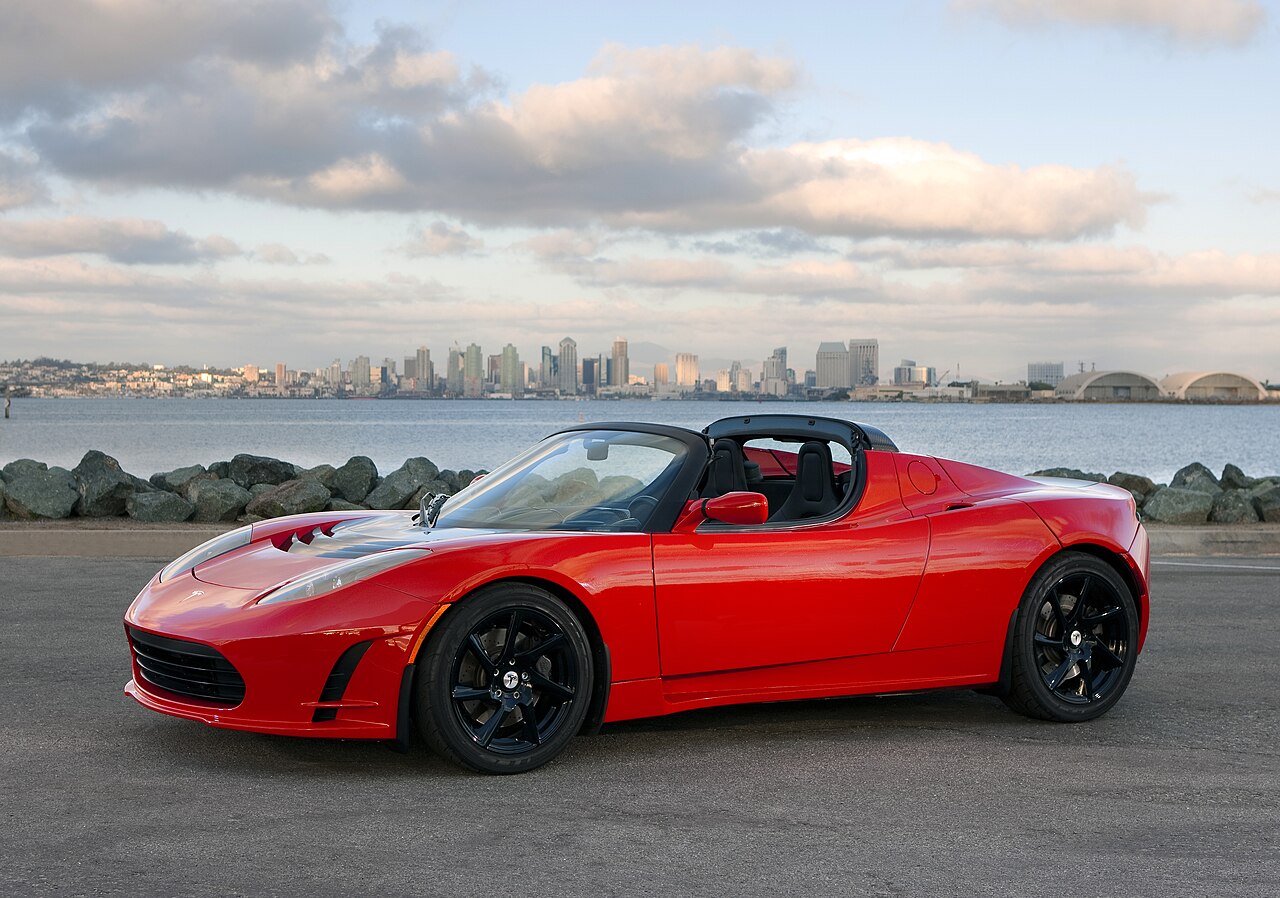
The Tesla Roadster flying car is set to change the automotive landscape with its innovative design and SpaceX technology. This remarkable vehicle promises to deliver an exhilarating experience unlike any other.
Overview of the Tesla Roadster
The Tesla Roadster has long been celebrated as a groundbreaking sports car, but its latest incarnation is set to redefine the limits of automotive technology. With the introduction of the Tesla Roadster flying car, the company aims to blend high-performance driving with the capabilities of aerial travel.
Equipped with advanced SpaceX technology, the new Roadster is designed to elevate the driving experience to unprecedented heights. Key features include:
- Vertical Takeoff and Landing (VTOL): The flying car can take off and land vertically, making it suitable for urban environments.
- Jet Thrusters: Utilizing SpaceX rocket technology, the vehicle is outfitted with powerful thrusters that enable flight and enhance acceleration.
- Electric Performance: Like its predecessors, the Roadster maintains Tesla’s commitment to electric performance, boasting impressive speed and efficiency.
- Smart Navigation: The integration of advanced navigation systems ensures a smooth transition between driving and flying.
As Tesla continues to push the boundaries of what is possible, the Roadster flying car represents a significant leap forward in both design and functionality, captivating the imaginations of enthusiasts and innovators alike.
How SpaceX technology enhances the Roadster
The integration of SpaceX technology into the Tesla Roadster is a groundbreaking innovation that sets it apart from other vehicles. By employing advanced rocket propulsion systems, the Tesla Roadster flying car offers remarkable performance and agility. This collaboration allows the car to not only achieve high speeds on the ground but also to take to the skies with ease.
One of the standout features of this flying car is its use of Raptor engines, which are designed for space travel. These engines enable the Roadster to reach altitudes previously thought impossible for a car. The enhanced thrust not only propels the vehicle forward but also facilitates vertical takeoff and landing, making it a versatile choice for urban environments.
Additionally, the aerodynamic design of the Roadster has been optimized through insights gained from SpaceX’s rocket engineering. This results in improved fuel efficiency and reduced drag, allowing for longer flights and better overall performance.
Incorporating SpaceX technology into the Tesla Roadster flying car exemplifies the potential for innovation in transportation, blending the realms of automotive engineering with aerospace advancements. Enthusiasts and critics alike are eager to see how this fusion of technologies will shape the future of personal transportation.
User reactions to the flying car
User reactions to the Tesla Roadster flying car have been overwhelmingly positive, with many enthusiasts expressing their excitement over this groundbreaking innovation. Social media platforms are abuzz with discussions and opinions, showcasing a mix of awe and skepticism.
Many users are particularly impressed by the incorporation of SpaceX technology, which promises to enhance the performance and safety of the vehicle. Comments like “This is the future of transportation!” and “I’ve always dreamed of a flying car, and Tesla is making it happen!” highlight the enthusiasm surrounding the launch.
However, some users have raised concerns about the practicality of the Tesla Roadster flying car. Questions regarding safety regulations, air traffic control, and the environmental impact of flying vehicles are prevalent. A few skeptics have remarked, “It’s a cool concept, but can we really trust it?”
Moreover, discussions surrounding the cost and availability of such advanced technology have sparked debates. Suggestions range from affordable options for the average consumer to exclusive models for the wealthy. As the excitement continues to build, the consensus remains that the Tesla Roadster flying car represents a significant leap in automotive innovation.
Future of flying cars in the automotive industry
The future of flying cars, particularly with innovations like the Tesla Roadster flying car, promises to revolutionize the automotive industry in unprecedented ways. As urban areas become increasingly congested, the need for alternative modes of transportation has never been more pressing. The introduction of flying cars could alleviate traffic woes, allowing commuters to bypass traditional roadways and reach their destinations more efficiently.
Experts suggest that as technology advances, flying cars will become more accessible to the general public, not just the elite. This shift could be driven by ongoing developments in electric propulsion and vertical takeoff capabilities, making flying cars safer and more practical for everyday use. The Tesla Roadster, with its integration of SpaceX technology, exemplifies this evolution by merging high-performance automotive engineering with aerospace innovation.
Moreover, the potential for flying cars to integrate with existing transportation infrastructure could lead to new economic opportunities and services. As companies like Tesla continue to push the boundaries of what’s possible, the automotive industry must adapt to these changes, paving the way for a future where flying vehicles become a common sight in our skies.
via Wikimedia Commons