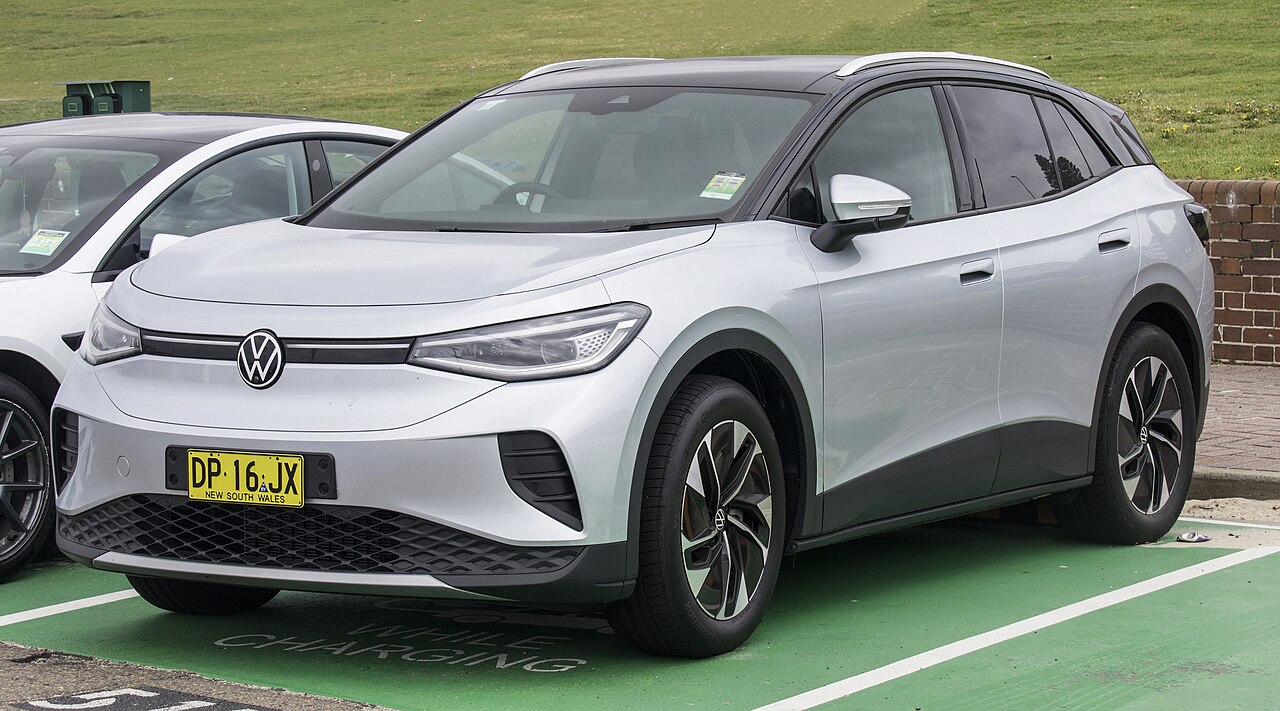
Volkswagen ID.4 name change is generating buzz as it transitions to ID.Tiguan ahead of its 2027 Europe launch. This strategic move aims to enhance brand recognition and market appeal.
What prompted the Volkswagen ID.4 name change?
The decision to rename the Volkswagen ID.4 to ID.Tiguan ahead of its 2027 launch in Europe has sparked considerable debate among automotive enthusiasts and industry analysts. Several factors have contributed to this significant name change.
- Market Positioning: Volkswagen aims to strengthen its brand identity within the electric vehicle (EV) market. By aligning the ID.4 with the Tiguan name, the company hopes to leverage the existing popularity of the Tiguan SUV, thereby attracting a loyal customer base.
- Consumer Recognition: The Tiguan has established itself as a household name among consumers. Transitioning the ID.4 to the ID.Tiguan may enhance recognition and acceptance of the electric model, making it more appealing to traditional SUV buyers.
- Strategic Branding: This name change reflects Volkswagen’s broader strategy to unify its ID lineup under recognizable names, creating a cohesive branding strategy that could better resonate with consumers.
- Regulatory Compliance: As regulations surrounding emissions and electric vehicles become stricter in Europe, Volkswagen aims to emphasize its commitment to sustainability through this rebranding effort.
Overall, the Volkswagen ID.4 name change is a strategic move designed to redefine the vehicle’s market presence in an increasingly competitive landscape.
Implications for the electric vehicle market
The recent decision by Volkswagen to change the name of the ID.4 to ID.Tiguan has sparked a discussion about its implications for the electric vehicle market. As consumers become more aware of electric options, branding plays a crucial role in their buying decisions.
With the impending launch of the ID.Tiguan in Europe, Volkswagen aims to leverage the established Tiguan name, which has a strong association with reliability and quality. This move may enhance consumer trust in the new electric model, as familiarity can often ease the transition to electric vehicles.
However, there are potential downsides to this name change. Industry experts suggest that the Volkswagen ID.4 name already had a growing recognition within the electric vehicle community. Altering it to ID.Tiguan could lead to confusion among consumers who are accustomed to the original branding.
Moreover, this shift may reflect broader market trends as automakers strive to align their electric offerings with existing successful models. As competition in the electric vehicle market intensifies, manufacturers must carefully consider the implications of such strategic decisions.
Overall, the Volkswagen ID.4 name change to ID.Tiguan is a bold move that could redefine its position in the evolving electric vehicle landscape.
How will consumers react to ID.Tiguan?
The recent announcement of the Volkswagen ID.4 name change to ID.Tiguan has sparked a variety of reactions from consumers and industry experts alike. As Volkswagen prepares for the 2027 Europe launch, the decision to rebrand this electric vehicle has raised questions about its potential impact on sales and brand perception.
Many consumers are curious about how the name change will influence their purchasing decisions. On one hand, some enthusiasts believe that the ID.Tiguan name aligns better with Volkswagen’s existing SUV lineup, potentially attracting loyal customers. On the other hand, there are concerns that changing the name could confuse current ID.4 owners and diminish the unique identity that the model has built since its debut.
- Familiarity vs. Innovation: Consumers may prefer the established recognition of the ID.4 name, associating it with specific features and performance.
- Market Trends: The name change may position the ID.Tiguan to compete more effectively against rival electric SUVs that are gaining popularity.
- Brand Loyalty: Volkswagen’s existing customer base could either embrace the change or feel alienated, depending on their attachment to the ID.4 identity.
Ultimately, the success of the Volkswagen ID.4 name change to ID.Tiguan will depend on how well the rebranding resonates with consumers.
Volkswagen’s strategy for 2027
As Volkswagen prepares for the launch of the ID.Tiguan, the company is aligning its strategy to meet ambitious goals set for 2027. The decision to change the Volkswagen ID.4 name to ID.Tiguan reflects a broader vision of integrating its electric vehicle lineup with established brand identities. This strategic move aims to enhance market presence and consumer recognition in an increasingly competitive electric vehicle sector.
Volkswagen’s roadmap includes several key initiatives:
- Investment in Infrastructure: The company plans to expand its charging network significantly across Europe, ensuring that customers have convenient access to charging stations.
- Product Diversification: By renaming the ID.4 to ID.Tiguan, Volkswagen hopes to attract a wider audience, particularly those familiar with the traditional Tiguan model.
- Sustainability Goals: Volkswagen aims to produce more environmentally friendly vehicles by investing in sustainable manufacturing practices and materials.
- Technological Advancements: The brand is committed to incorporating advanced technology and software into its vehicles, enhancing user experience and vehicle performance.
By focusing on these strategic areas, Volkswagen is positioning itself to strengthen its footprint in the electric vehicle market while addressing evolving consumer preferences ahead of the anticipated ID.Tiguan launch.
The Volkswagen ID.4 name change has sparked a variety of opinions among automotive enthusiasts. Many wonder if the Volkswagen ID.4 name change will positively impact the brand’s identity in the electric vehicle market.
via Wikimedia Commons