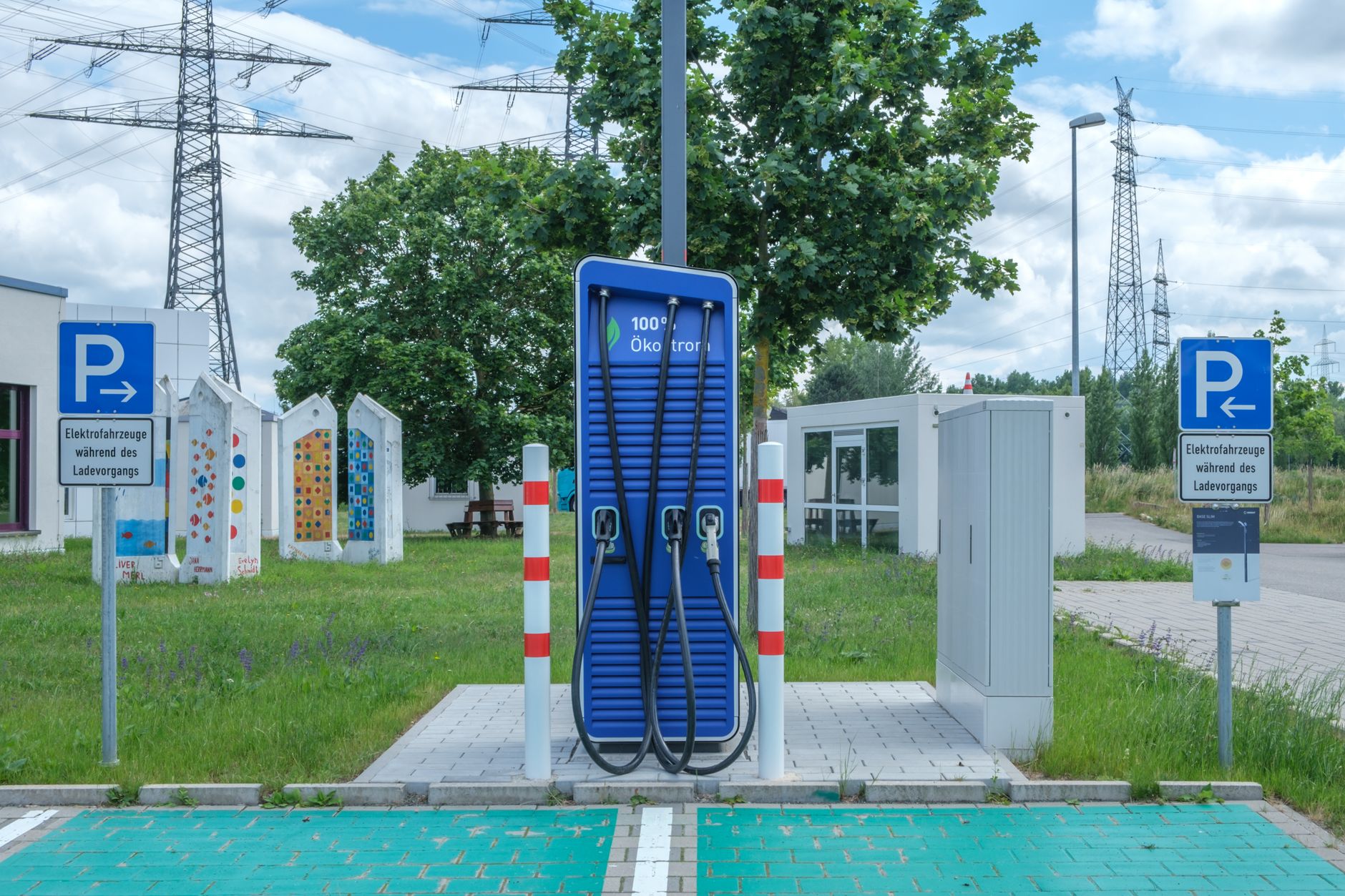
The heavy-truck battery-swap station is now operational in Bhiwandi, marking a significant step towards enhancing electric vehicle infrastructure in India.
Introduction to Battery-Swap Technology
The transportation sector is undergoing a significant transformation with the rise of electric vehicles (EVs), particularly in the heavy-duty segment. One innovative solution to address the challenges of long charging times is the establishment of heavy-truck battery-swap stations. These stations allow trucks to quickly exchange depleted batteries for fully charged ones, minimizing downtime and increasing operational efficiency.
In a pioneering move, Blue Energy Motors in collaboration with HPCL has launched a heavy-truck battery-swap station in Bhiwandi. This facility aims to streamline the logistics of electric heavy trucks, making it easier for fleet operators to adopt sustainable practices. With the growing demand for greener transportation solutions, battery-swap technology offers a practical alternative to traditional charging methods.
Key advantages of battery-swap technology include:
- Reduced downtime: Fast swaps can take just a few minutes.
- Increased range: Trucks can travel longer distances without long charging breaks.
- Enhanced sustainability: Promotes the use of renewable energy sources for charging batteries.
Benefits of Battery Swapping
The establishment of a heavy-truck battery-swap station brings a multitude of benefits to the electric vehicle (EV) sector. This innovative solution addresses several challenges faced by long-haul trucking.
Firstly, battery swapping significantly reduces downtime for drivers. Instead of waiting for lengthy charging cycles, truck operators can quickly exchange depleted batteries for fully charged ones, enabling them to get back on the road in minutes.
Secondly, the process enhances energy efficiency. By standardizing battery sizes and specifications, fleet operators can optimize battery management, leading to reduced costs and improved vehicle performance.
Furthermore, heavy-truck battery-swap stations contribute to sustainability. They facilitate the integration of renewable energy sources into the charging infrastructure, promoting greener logistics.
Lastly, this technology supports the growing demand for electric trucks, allowing fleet operators to transition to zero-emission vehicles more seamlessly, ultimately paving the way for a more sustainable future in the transportation industry.
Impact on Electric Truck Logistics
The introduction of the heavy-truck battery-swap station in Bhiwandi represents a significant advancement in electric truck logistics. This innovative solution enables quick and efficient battery replacement, minimizing downtime for fleet operators and enhancing productivity.
With the growing demand for sustainable transport solutions, the implementation of battery-swap technology offers several advantages:
- Reduced Charging Time: Traditional charging can take hours, whereas battery swapping can be completed in minutes, allowing trucks to remain on the road longer.
- Increased Operational Efficiency: Fleets can optimize their routes and schedules without the need to plan for lengthy charging stops.
- Lower Infrastructure Costs: Battery-swap stations can be strategically located, reducing the need for extensive charging infrastructure across regions.
As more heavy-truck battery-swap stations emerge, the logistics landscape for electric vehicles is expected to evolve rapidly, making electric trucking a viable option for businesses seeking to reduce their carbon footprint.
Partnership Between Blue Energy and HPCL
Blue Energy Motors has partnered with Hindustan Petroleum Corporation Limited (HPCL) to open a state-of-the-art heavy-truck battery-swap station in Bhiwandi. This collaboration marks a significant step forward in the adoption of electric vehicles in the freight sector. The facility aims to streamline operations for logistics companies by offering a quick and efficient battery-swapping solution.
The heavy-truck battery-swap station is designed to reduce downtime for trucks, allowing drivers to replace depleted batteries with fully charged ones in just a few minutes. This efficiency is crucial for businesses that rely on timely deliveries and operational continuity. The partnership leverages Blue Energy’s innovative technology alongside HPCL’s extensive network, ensuring that electric truck logistics can thrive.
- Location: Bhiwandi, Maharashtra
- Objective: Enhance electric truck operations
- Impact: Increased efficiency and reduced emissions
This initiative underscores the commitment of both companies to promote sustainable transportation solutions.
Future of EV Infrastructure in India
The future of EV infrastructure in India looks promising with the introduction of heavy-truck battery-swap stations. These facilities are designed to support the growing demand for electric vehicles, particularly in the logistics sector. As the country aims to reduce its carbon footprint, the establishment of such stations is a crucial step towards creating a sustainable transport ecosystem.
With the increasing number of electric trucks on Indian roads, the heavy-truck battery-swap station model offers a practical solution to range anxiety. Fleet operators can quickly replace depleted batteries with fully charged ones, ensuring minimal downtime. This efficiency not only enhances productivity but also contributes to a cleaner environment.
Moreover, the collaboration between private and public sectors, as seen in the partnership between Blue Energy and HPCL, is vital for expanding this infrastructure. As more battery-swap stations emerge, India will be better positioned to embrace the electric revolution, paving the way for a greener future.
Conclusion and Next Steps
In conclusion, the opening of the heavy-truck battery-swap station in Bhiwandi represents a significant step forward in the electrification of logistics in India. This innovative solution not only addresses the challenges of long-haul electric trucking but also enhances operational efficiency for fleet operators.
The collaboration between Blue Energy and HPCL showcases the potential for public-private partnerships in accelerating EV infrastructure development. As more battery-swap stations are established, the logistics industry can expect reduced downtime and increased adoption of electric trucks.
Moving forward, it is essential for stakeholders to focus on:
- Scaling the battery-swap network across key transportation routes.
- Ensuring standardization of battery technology for compatibility.
- Raising awareness among fleet operators about the benefits of battery swapping.
With these steps, the heavy-truck battery-swap station could pave the way for a sustainable and efficient future in electric vehicle logistics.
Where this came from
World Stocks Gain: Quick Insights on Market Trends · Affordable Electric Car: Is It Worth the Hype? · Maruti Suzuki Q2 Preview: Smart Insights on Price Hikes